


Industry
Mental health in construction: a guide for employers
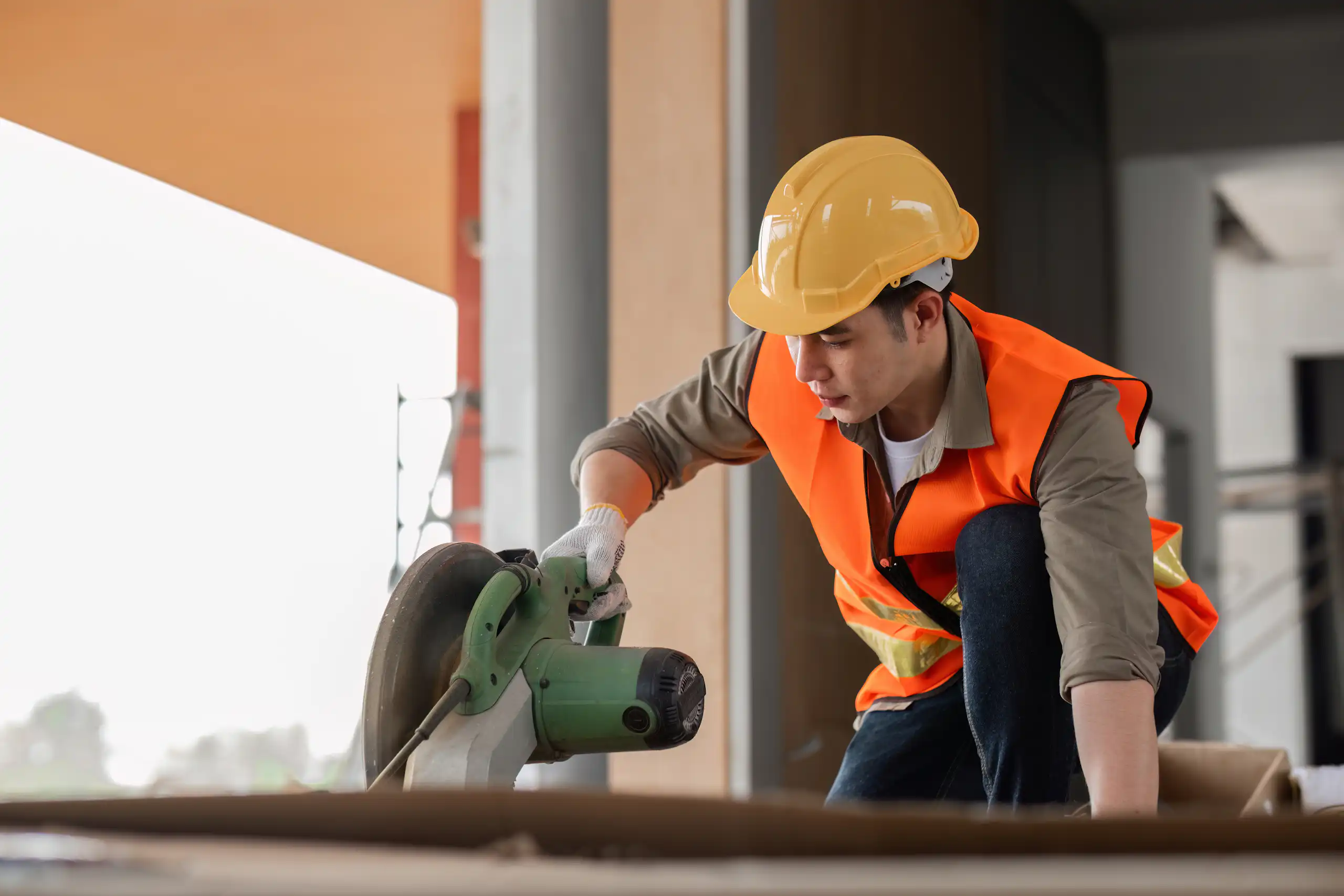
Construction sites have come a long way on physical safety. Hard hats, harnesses and risk assessments are second nature. Mental health, though, has often been left out of the conversation, even though it affects safety, productivity and how long people stay in the industry.
This guide is for construction employers, contractors, site managers and HR teams. It explains the pressures construction workers face, the signs to look for on site and the practical steps you can take to make mental health part of everyday site safety.
Key takeaways
Mental ill health is a significant issue: Around 15,000 construction workers suffer from work-related stress, depression or anxiety each year (HSE, 2025).
Ill health causes most lost time: 82% of the 2.2 million working days lost in construction each year are due to ill health rather than injury.
The work brings particular pressures: Long hours, tight deadlines, time away from home and job insecurity all play a part.
Talking is still difficult: A culture of “just getting on with it” can stop people asking for help.
Mental health is a safety issue: Stress and fatigue affect concentration, and in a safety-critical environment that puts everyone at risk.
Why mental health matters in construction
Construction is one of the UK’s biggest industries, employing around 6% of the workforce in Great Britain. Each year, an estimated 79,000 construction workers suffer from work-related ill health, and around 15,000 of these cases are stress, depression or anxiety. Ill health accounts for 82% of the 2.2 million working days lost in the industry every year (HSE, 2025).
The impact goes beyond absence. Someone who is stressed, exhausted or struggling is more likely to lose concentration, make mistakes or miss a hazard. On a construction site, that can have serious consequences. Looking after mental health helps keep people safe, projects on track and skilled workers in the industry.
What affects mental health in construction?
Long hours and tight deadlines
Project deadlines, penalty clauses and delays caused by weather or supply problems can lead to long days, weekend working and pressure to make up lost time.
Time away from home
Many workers travel long distances or stay away from home during the week. Being away from family and usual support networks can lead to isolation and loneliness.
Job insecurity
Short-term contracts, self-employment and the stop-start nature of project work can create money worries and uncertainty about what comes next.
Physical demands and fatigue
Heavy, physical work in all weathers, combined with early starts, takes a toll. Fatigue affects mood, sleep and the ability to cope with stress, as well as safety.
Injury and pain
Musculoskeletal problems are the most common work-related illness in construction. Living with pain or being unable to work after an injury can have a big impact on mental health.
A culture of not talking
Construction has traditionally had a “tough it out” culture, and many workers still find it hard to admit they are struggling. Worries about how colleagues or managers will react can stop people asking for help until things reach crisis point.
Difficult events on site
Witnessing a serious accident or near miss can be traumatic. Without support, the effects can last long after the event.
Signs that someone on site may be struggling
Supervisors and colleagues are often the first to notice when something isn’t right. Look out for:
Changes in mood, such as irritability, anger or being unusually quiet
Withdrawing from the team or avoiding conversations
Tiredness, poor concentration or more mistakes than usual
Turning up late, taking more time off or rushing to leave
Taking more risks or ignoring safety procedures
Talking about money worries, problems at home or feeling hopeless
One sign on its own doesn’t always mean someone is unwell, but it’s a good reason to check in privately.
What are employers’ legal duties?
Under health and safety law, employers have a duty to protect the health, safety and welfare of their workers, and that includes mental health. This means assessing the risk of work-related stress and taking reasonable steps to reduce it, just as you would with physical hazards. The HSE Management Standards provide a framework covering six areas: demands, control, support, relationships, role and change.
Employers must also make reasonable adjustments for workers whose mental health condition counts as a disability under the Equality Act 2010.
How construction employers can support mental health
Treat mental health like any other safety risk
Include work-related stress in your risk assessments, talk about it in site inductions and make it part of regular safety briefings. When mental health sits alongside physical safety, it becomes easier to talk about.
Use toolbox talks
Short, regular toolbox talks on topics such as stress, sleep and where to get help are a simple way to start conversations on site. They work best when supervisors deliver them in their own words.
Train supervisors and mental health first aiders
Site managers and supervisors don’t need to be experts, but they should know how to spot the signs, start a conversation and signpost support. Trained mental health first aiders on site give workers someone approachable to talk to.
Plan workloads realistically
Build realistic timescales into project plans, monitor working hours and make sure people take breaks and rest days. Where long hours can’t be avoided, check in more often.
Support workers who are away from home
Keep in regular contact with workers on remote or long-distance jobs, encourage time at home where possible, and make sure they know how to get support wherever they are.
Support people after incidents
After an accident or serious near miss, check in with everyone involved, give them time to talk and offer access to professional support. Our HR advice for managers can help supervisors with difficult conversations.
Make support easy to access
Not everyone wants to talk to their supervisor. Confidential support that workers can reach by phone or app, at any time, means help is there when they need it, including outside site hours.
For a wider framework, see our guide to building a mentally healthy workplace.
Why early support matters
Problems are easier to deal with when they’re picked up early. Encouraging people to talk, training supervisors to spot the signs and making confidential support easy to reach all help stop everyday stress turning into something more serious, and make sure no one has to struggle alone.
How Wisdom Wellbeing supports construction employers
Our construction sector EAP is designed for site-based, mobile and office teams. It gives your workforce:
24/7 confidential counselling and emotional support by phone or online
Critical incident support after accidents or traumatic events
Computerised CBT programmes for stress, anxiety and low mood
Legal and financial information to help with money worries
Wellbeing resources through the Wisdom app
A management support line for site managers and supervisors
Find out more about our EAP for construction or book a free demo.
Frequently asked questions
Why is mental health a problem in construction?
Construction workers often face long hours, tight deadlines, time away from home, physical strain and job insecurity. Combined with a culture where people are reluctant to talk about how they feel, these pressures can lead to stress, anxiety and depression.
What are the signs of poor mental health on a construction site?
Signs include changes in mood, withdrawing from the team, tiredness, poor concentration, more mistakes, lateness or absence, and taking more risks with safety. A noticeable change in someone’s behaviour is a good reason to check in privately.
How can site managers start a conversation about mental health?
Find a private moment, explain what you’ve noticed and ask how the person is doing. Listen without judging, avoid trying to fix everything and let them know where they can get confidential support. Following up a few days later shows you care.
Does health and safety law cover mental health in construction?
Yes. Employers must assess and manage the risk of work-related stress in the same way as physical risks, and make reasonable adjustments for workers whose mental health condition counts as a disability under the Equality Act 2010.
Related articles
Building a mentally healthy workplace: strategies for employers
How to build an effective employee wellbeing strategy
If you or someone you know is struggling, you can contact Samaritans free, 24 hours a day, on 116 123.
Sources
HSE, Construction statistics in Great Britain, 2025
HSE, Work-related stress, depression or anxiety statistics in Great Britain, 2025

Wisdom Wellbeing
Wisdom Wellbeing provides clinically led Employee Assistance Programmes to organisations across the UK and Ireland. Specialising in mental health and wellbeing, we publish practical guidance for employees, employers and business owners, including articles written by our counsellors to offer expertise from a clinical perspective. We also write for students at college and university who want to improve and maintain their mental wellbeing.
Support your employees with an EAP
With an Employee Assistance Programme (EAP) from Wisdom Wellbeing, we can offer you practical advice and support when it comes to dealing with workplace stress and anxiety issues.
Our EAP service provides guidance and supports your employees with their mental health in the workplace and at home. We can help you create a safe, productive workspace that supports all.