

Health & Wellbeing
Addressing Festive Isolation: A Workplace Guide to Connection and Support in Aotearoa

The arrival of December in New Zealand is usually accompanied by a specific cultural narrative: one of sun, celebration, and the traditional "Kiwi summer." As businesses across the country prepare for the annual shutdown, the prevailing message is one of joy and belonging. We are told that this is the time for heading to the bach (holiday home), firing up the barbeque, and reconnecting with whanau (extended family).
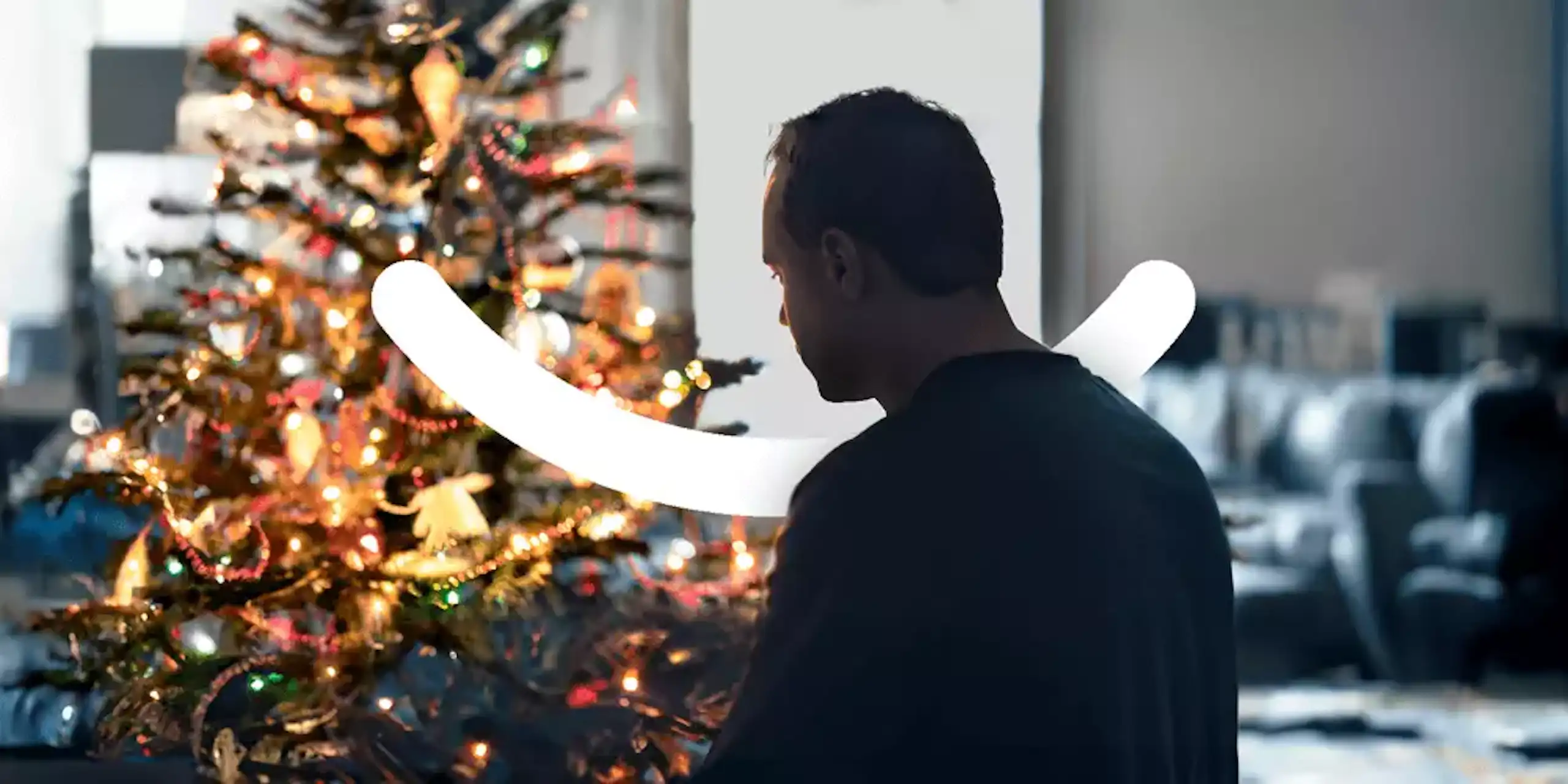
However, for a significant portion of the New Zealand workforce, this festive script does not match their lived experience. For employees separated from loved ones overseas, those navigating fractured family dynamics, or individuals moving through a season of grief, December can be the most isolating month of the year.
In a professional context, this sense of disconnection is not something that can be easily left at the front door. It follows staff into their daily tasks, impacting cognitive focus, emotional resilience, and overall workplace engagement. As a trusted Employee Assistance Program (EAP) provider, Wisdom Wellbeing supports many New Zealanders through these challenges. We know that holiday loneliness is not a rare occurrence but a recurring wellbeing issue that requires a proactive and empathetic response from organisations.
The Statistical Reality of Loneliness in New Zealand
Loneliness is increasingly recognised as a significant public health priority in Aotearoa. Data from Stats NZ and recent wellbeing surveys indicate that approximately 1 in 5 New Zealanders report feeling lonely most or all the time. During the festive season, these figures often rise as the pressure to be more social increases.
Research shows that younger demographics are particularly vulnerable. In New Zealand, nearly 25 percent of adults aged 18 to 24 report frequent feelings of isolation during the holidays. For HR professionals and business owners, these statistics are a vital reminder that struggling employees are not outliers. They represent a substantial part of your team trying to reconcile a high-pressure social season with a difficult internal reality.
The Science Behind the "Holiday Script"
Human beings are biologically hardwired for connection. From an evolutionary perspective, being part of a group was essential for survival. Consequently, when an individual feels excluded or isolated, the brain interprets this as a threat to their safety. This triggers a physiological stress response that can manifest as heightened anxiety, disrupted sleep, and difficulty maintaining focus on complex tasks.
The "holiday script" in New Zealand often intensifies this stress. From the carols playing in every shop to social media feeds filled with images of perfect family gatherings, the cultural noise is constant. For employees who do not observe Christmas or those whose family lives are complicated, this pervasive emphasis on togetherness serves as a recurring reminder of what is missing. This gap between expectation and reality creates a significant emotional load that can lead to burnout.
Why Comparison Amplifies Isolation
In psychology, the "contrast effect" explains why loneliness feels more acute in December. When a person's internal state of sadness is placed next to an external environment that is aggressively happy, that sadness is magnified. In a Kiwi workplace, even a casual team lunch can unintentionally highlight an employee's lack of a support network outside of work, leading to a deeper sense of alienation.
Digital platforms often act as amplifiers for this effect. On social media, people see a curated "highlight reel" of overseas trips and multi-generational feasts. For New Zealand’s large migrant population, these images highlight the physical and financial barriers to connection. With many Kiwis having roots overseas, "going home" is often an expensive and exhausting international journey that is not always possible. Watching a perfect family lunch via a screen can evoke a sense of being an outsider, driving a "social comparison" that lowers workplace morale.


Improve organisational resilience by providing quality mental health support to your people
Distinguishing Between Solitude and Loneliness
It is important for New Zealand leaders to understand the difference between being alone and being lonely. Choosing to spend the holidays in solitude can be a healthy, grounding decision. Many people use the shutdown period to recharge after a high-pressure year or to avoid stressful family situations. In these cases, a quiet period is a source of peace.
Loneliness, however, is characterised by a lack of choice. It is the painful distance between the connection a person wants and the isolation they experience. This is where shame often grows. Employees may feel that their lack of plans represents a personal failure. When leadership normalises the fact that loneliness is a common human experience, they help to dismantle this shame and foster a more inclusive workplace culture.
How to Identify Loneliness in the Workplace
Loneliness rarely presents itself as a direct statement. Most staff will not announce in a meeting that they have no one to spend the holidays with. Instead, it shows up through subtle shifts in behaviour that managers should be trained to notice.
Common Signs of Festive Distress
Social Withdrawal: A previously engaged staff member consistently declining end of year invites or leaves functions early without a clear reason.
Deflective Humour: Making frequent jokes about having no plans as a self-defense mechanism. This is often a subconscious way of testing if it is safe to talk about their isolation.
Fluctuating Performance: A noticeable dip in concentration or an increase in uncharacteristic errors as the holiday shutdown approaches.
Heightened Sensitivity: Reacting more strongly than usual to minor workplace stressors or feedback.
Consider an employee in an Auckland or Christchurch office listening to a colleague exchange stories about trips to the Coromandel or family barbeques. While their peers see a holiday, this employee may see a quiet flat, reheated meals, and a patchy video call to family in a different time zone. These employees often "nod along" to fit in, but the mental energy required to maintain this facade is exhausting.
Strategic Empathy: The Leadership Response
Empathy in a professional setting is a strategic necessity. Employees remember how an organisation supported them during their most difficult times. This builds psychological capital, which leads to better performance and higher retention rates.
1. Transparent and Inclusive Communication
Leaders should use internal messages to acknowledge the full spectrum of holiday experiences. Rather than just sharing "festive cheer," messages should validate that the end of the year can be a time of stress, financial pressure, or grief. A simple statement acknowledging that the holidays can be emotionally mixed for many people provides employees with psychological safety to be honest about their wellbeing.
2. Conducting Meaningful Check-ins
Managers should move away from transactional small talk. Instead of asking, "What are your plans for Christmas?", which assumes the employee has plans, try asking, "How are you feeling about the upcoming break?" This gives the employee the agency to share as much or as little as they feel comfortable with.
3. Avoiding Assumptions
Leaders must avoid a "one size fits all" approach to the holidays. Respecting diverse ways of navigating the season, including those who choose to work through the break if the business remains open, is a hallmark of an inclusive workplace.
Boost workplace wellness by providing robust wellbeing support to your staff today
Bringing Humanness into the Workplace
At its heart, the workplace is a community. While productivity is the goal, the human element is what sustains it. When employees feel seen as individuals rather than just a headcount, their commitment to the organisation deepens.
During the holidays, the human thing to do is to acknowledge that life is often messy. Some people are mourning a loss, some are navigating their first holidays after a separation, and others are simply exhausted by the cost of living in 2025. By bringing humanness into the workplace, leaders create a culture where it is safe to be authentic. This authenticity is a powerful antidote to the shame that often accompanies loneliness.
How Wisdom Wellbeing Supports New Zealand Teams
While managers play a vital role, they are not expected to be counsellors. The role of a leader is to provide a bridge to professional support. This is where a specialist EAP becomes a vital tool.
Wisdom Wellbeing provides a confidential, person-centred environment where New Zealand employees can process feelings of isolation without fear of professional repercussions. Our approach helps individuals navigate the holiday season on their own terms.
Support for Your Staff
Our clinicians help employees work through the layers of shame associated with loneliness. We provide a space to discuss whanau conflict, grief, or the isolation felt by those far from home. By identifying small, realistic steps for self-care, we help employees move through the season with greater stability.
Support for Leaders and HR
Wisdom Wellbeing also acts as a partner for People and Culture teams. We provide guidance on managing sensitive conversations and help tailor holiday messaging to be truly inclusive. We ensure that leaders do not have to carry the emotional weight of their team’s wellbeing alone, offering manager support sessions to help supervisors navigate the complex emotions that surface during the December crunch.
Conclusion: Building a Culture of Care
As the year draws to a close, the question for New Zealand businesses is not whether loneliness exists in their workplace, but whether they have created a space where people can find support.
By partnering with a professional EAP provider, organisations ensure that their staff have the tools needed to manage holiday stress effectively. This proactive approach supports individual mental health and ensures that the workforce returns in the new year feeling valued and seen.
Investing in employee wellbeing during the festive season pays dividends in culture and productivity throughout the rest of the year. Loneliness is a significant challenge, but with the right systems in place, it can be managed with dignity and genuine care.
Strategy and Action
- Communication:
Normalise mixed emotions in company-wide holiday updates.
- Leadership:
Train managers to spot signs of withdrawal and conduct open check-ins.
- Inclusivity:
Avoid mandatory festive activities; offer low-pressure alternatives.
- Visibility:
Ensure EAP contact details are prominent and easy to access.
- Flexibility:
Respect individual choices regarding how the break is spent.
Next Steps for Your Organisation
If you are responsible for a team, it is likely that some of your people are currently navigating the complexities of holiday loneliness. This is particularly true in 2025, where financial pressures and global movement make traditional celebrations more difficult for many. Ensuring your staff have a safe place to turn is the most impactful action you can take this season.
To learn how Wisdom Wellbeing can assist your organisation in supporting mental health, speak with one of our consultants today. We can help you design a strategy that ensures your employees feel supported, no matter what their holidays look like.
Contact Wisdom Wellbeing on 800 452 587 to discuss how our Employee Assistance Program can help optimise your workplace.

Wisdom Wellbeing NZ
Wisdom Wellbeing is one of New Zealand’s leading EAP providers. Specialising in topics such as mental health and wellbeing, they produce insightful articles on how employees can look after their mental health, as well as how employers and business owners can support their people and organisation. They also provide articles directly from their counsellors to offer expertise from a clinical perspective. Besides a focus on corporate wellbeing, Wisdom Wellbeing also caters to the needs of Māori and all Pasifika communities. Your trusted wellbeing partner.
Latest articles

Health & Wellbeing article
The Resilient Tāne: Why Men’s Mental Health is the Strategic Anchor of NZ Business
Read more

Health & Wellbeing article
The Kauri Foundation: Why New Zealand Men in Leadership Need a Mental Fitness Blueprint
Read more

Health & Wellbeing article
Mana and Resilience: Addressing the Crisis of Distress in Male Workers in New Zealand
Read more
Related articles
Health & Wellbeing news
Beyond the Summer Shutdown: Why Workplace Support Must Outlast the Festive Season
Read more

Health & Wellbeing news
Supporting the Silent Struggle: A New Zealand Employer’s Guide to Festive Wellbeing
Read more

Health & Wellbeing news
Understanding the Quiet Season: Addressing Loneliness Across Aotearoa in December
Read more