

Awareness
Kotahitanga at Work: Strengthening Your Duty of Care this ANZAC Day
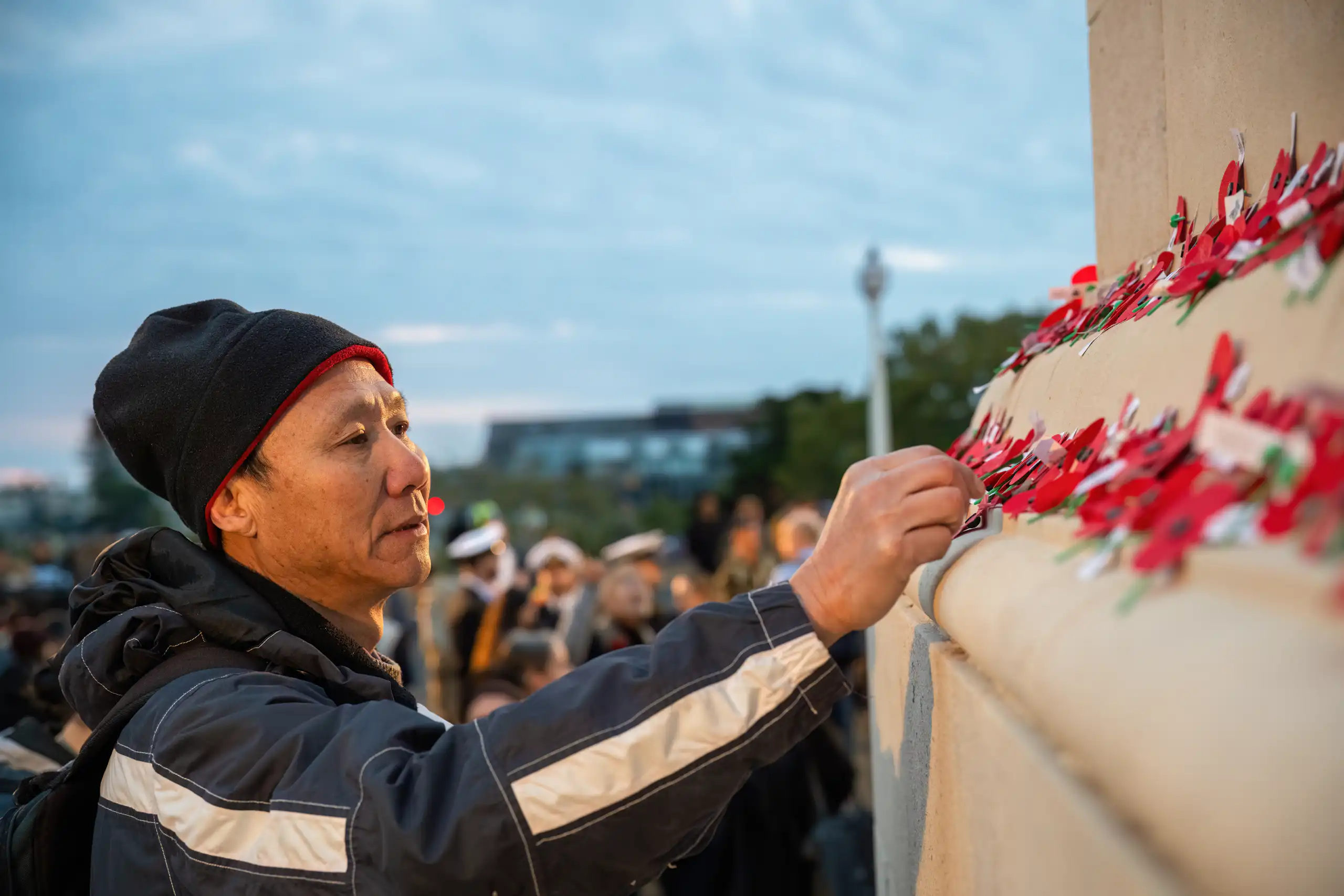
Every year on the 25th of April, Aotearoa New Zealand pauses. We stand in the pre-dawn cold at local cenotaphs and city squares to remember the courage and sacrifice of those who served. For many New Zealand business owners, HR managers, and decision makers, ANZAC Day is a profound moment to reflect on the values that define our national identity: resilience, endurance, and the spirit of Kotahitanga (moving forward together as one).
However: it is essential for leaders to consider how these historical values translate into the modern New Zealand workplace. While a minute of silence is a vital mark of respect, true leadership requires us to look at the people standing next to us every other day of the year. The most meaningful way to honour the legacy of those who looked out for their comrades is to ensure we are doing the same for our employees in a practical, clinical, and sustainable way.
1. Bridging the Gap Between Heritage and Hauora
Looking out for a colleague in the office, the warehouse, or on the farm is no longer just about a casual "How are you getting on?" It is about a professional commitment to their psychological safety. In New Zealand, we view this through the lens of Hauora: a holistic approach to health.
When we look at our duty of care through the Te Whare Tapa Whā model, we understand that a person’s ability to work depends on the strength of their "four walls":
- Taha Hinengaro:
Their mental and emotional state.
- Taha Tinana:
Their physical health.
- Taha Wairua:
Their spiritual identity and sense of purpose.
- Taha Whānau:
Their family connections and social support.
For a business owner or decision maker, bridging the gap between our national heritage and modern health means moving beyond sentiment. It requires a structured system of support that ensures no one wall of the "wharenui" (meeting house) is left to crumble under pressure.
2. Whanaungatanga as a Professional Business Standard
The ANZAC legend was not built on individual heroics alone; it was built on a sophisticated network of mutual support. Those who served relied on clear communication, shared burdens, and the absolute certainty that if they stumbled, someone was there to catch them. In a modern New Zealand workplace, we call this Whanaungatanga: the process of establishing relationships and relating to others. As an employer, you are the primary architect of this environment. Relationships in a professional setting should not be a vague or fleeting feeling. Instead, they must be a functional business standard. When we talk about "looking out for our people", we are talking about identifying and managing psychosocial hazards: the things in a job that can cause stress or mental harm: before they lead to injury or burnout.
To achieve this, leaders must move beyond occasional conversations and implement structured support systems. A professional Employee Assistance Program (EAP) like Wisdom Wellbeing provides several critical advantages that a casual chat cannot offer:
- Clinical Objectivity:
Professional counsellors provide an unbiased, external perspective that internal managers simply cannot provide.
- Absolute Confidentiality:
Employees are more likely to seek help early when they know their privacy is protected by clinical standards.
- 24/7 Accessibility:
Mental health challenges do not follow a nine-to-five schedule; professional support ensures help is available the moment it is needed.
- Specialised Expertise:
Professional services can address complex issues such as trauma, grief, and financial stress with evidence-based techniques.
The modern New Zealand workplace faces unique pressures. From the "always on" nature of digital work to the rising cost of living, the mental load on your employees is significant. A supportive workplace does not happen by accident. It is the result of deliberate leadership choices to provide the right tools and professional services.
3. The Duty of Care: From Compliance to Culture
For HR managers and business owners, the term "Duty of Care" is a legal cornerstone. In New Zealand, the Health and Safety at Work Act (HSWA) 2015 places psychological health on the same level as physical safety. This shift is a formal recognition that a person cannot perform at their best if their mind is under unsustainable pressure.
Meeting Modern Legislative Expectations in Aotearoa
The move towards regulating psychosocial risks means that organisations must be proactive. It is no longer enough to wait for an employee to reach a breaking point. Proactive leadership involves creating a culture where seeking support is seen as a sign of strength and professional responsibility.
By providing an EAP, like Wisdom Wellbeing’s wellness program, you are giving your team access to early intervention. Clinical support is the modern equipment for a high-performing workforce. In the same way you would not send a worker onto a construction site without a helmet or high-vis gear, you should not expect a team to navigate the complexities of modern business life without mental health resources. Providing professional counselling and coaching is how a modern leader fulfils their duty of care, ensuring that the burden of stress is never carried by one person alone.


Contact us now to build a high-performance workforce through evidence-based wellbeing strategies.
4. Proactive Leadership and the Power of Manaakitanga
One of the most significant challenges for decision makers is the transition from reactive to proactive management. A reactive business waits for a crisis: an accident, a resignation, or a sharp decline in productivity: before acting. A proactive business, however, understands that resilience is a resource that must be constantly replenished.
In New Zealand, this is an expression of Manaakitanga: showing care, respect, and hospitality toward others. When you invest in a professional EAP like Wisdom Wellbeing’s comprehensive program, you are practicing manaakitanga at an organisational level.
Equipping Managers for Success
Resilience is not the ability to endure pain indefinitely; it is the capacity to recover and adapt. As a leader, your role is to manage the "intel" of your organisation. This means recognising when a team member is struggling and having a clear, professional pathway for them to follow. This is where Wisdom Wellbeing’s EAP becomes a strategic partner for your leadership team.
An effective EAP allows managers to be leaders rather than amateur counsellors. It provides several layers of protection for the organisation:
- Manager Support:
Leaders can access "manager assist" services to learn how to handle difficult conversations with their team.
- Conflict Resolution:
Professional mediation and support can resolve workplace friction before it escalates into a formal dispute.
- Crisis Management:
In the event of a critical incident, professional teams can provide immediate on-site or remote support.
- Data Insights:
De-identified reporting allows HR managers to see high-level trends in workplace stress, enabling better strategic planning.
By integrating these services, you ensure that when a person hits a wall, the safety net is already in place. This level of preparation is what distinguishes a resilient organisation from one that is constantly in fire-fighting mode. It provides your managers with the confidence to lead, knowing that specialised support is only a phone call away for their staff.
5. Mental Health as a Pillar of Operational Resilience
For business owners, the health of the workforce is directly tied to the health of the bottom line. High rates of absenteeism, staff turnover, and low engagement are often the symptoms of unaddressed psychological stress. When we look at the legacy of the ANZACs, we see the power of a team that is mentally and emotionally aligned. In a workplace setting, this is called operational resilience.
The Strategic Value of a Supported Workforce
Investing in wellbeing is a strategic decision. A workforce that feels supported is more loyal, more productive, and more innovative. When employees know that their employer genuinely cares about their mental health, the level of trust within the organisation rises. This trust is the foundation of a high-performance culture. By making Wisdom Wellbeing’s EAP a core component of your business operations, you are sending a clear message to your team: "Your wellbeing is a priority, and we have the professional systems in place to support it". This approach reduces the stigma surrounding mental health and encourages people to seek help early, which is the most effective way to prevent long-term issues. It is a commitment to the "long game" of business success.
6. Aotearoa’s Unique Work-Life Fabric
New Zealand has a unique work culture that often blends professional roles with close-knit community ties. In many of our industries: such as agribusiness, construction, and professional services: the line between "mate" and "colleague" is thin. While this creates a strong sense of community, it also means that when one person struggles, the ripple effect through the business is significant.
This is why a clinical, external EAP, like the program offered by Wisdom Wellbeing, is so vital. It provides a safe space outside of these close-knit circles for employees to speak freely. It ensures that the support they receive is not biased by local or internal politics. This level of professional distance is what makes the support more effective, allowing the individual to return to the team with a clearer perspective.
Book a consultation to strengthen your team’s resilience with professional EAP support today.
7. A Modern Commitment to Your People
As we move forward from ANZAC Day, the challenge for every New Zealand leader is to keep the spirit of looking out for one another alive in the way we manage our teams. We must move beyond the "harden up" mentality and embrace a more sophisticated, supportive, and clinical approach to mental health.
Securing a Resilient Future
This is the modern legacy of care. It is an acknowledgment that while the nature of work has changed, our need for connection and support remains the same. By providing professional mental health services, you are not just managing a team; you are honouring a tradition of looking out for those around you. Ensuring your staff have access to clinical expertise, 24/7 support, and proactive wellbeing tools is the most effective way to lead this year. It builds a workforce that is not only capable of meeting the demands of the day but is resilient enough to handle the challenges of tomorrow. This is how we truly remember: by acting today to protect the lives of those who make our businesses and our communities strong.
Take the Next Step in Your Duty of Care
At Wisdom Wellbeing, we believe that professional support is the foundation of a resilient workplace. We partner with New Zealand business owners and HR managers to provide comprehensive Employee Assistance Programs that deliver real results. Our services offer your team confidential access to clinical experts, helping you to foster a culture of support and high performance.
Is your organisation prepared to support its people? Together, we can ensure that every member of your team has the support they need to thrive. Contact the Wisdom Wellbeing team today on 0800 452 587 to discuss how we can help you build a more resilient workforce. Let us work together to ensure that professional mental health support is a standard part of your leadership strategy.

Wisdom Wellbeing NZ
Wisdom Wellbeing is one of New Zealand’s leading EAP providers. Specialising in topics such as mental health and wellbeing, they produce insightful articles on how employees can look after their mental health, as well as how employers and business owners can support their people and organisation. They also provide articles directly from their counsellors to offer expertise from a clinical perspective. Besides a focus on corporate wellbeing, Wisdom Wellbeing also caters to the needs of Māori and all Pasifika communities. Your trusted wellbeing partner.
EAP support for your employees in Aotearoa New Zealand
With a Wisdom Wellbeing Employee Assistance Program (EAP), we can offer you practical advice and support when it comes to dealing with workplace stress and anxiety issues.
Our EAP service provides guidance and supports your employees with their mental health in the workplace and at home. We can help you create a safe, productive workspace that supports all.