

Health & Wellbeing
Supporting the Silent Struggle: A New Zealand Employer’s Guide to Festive Wellbeing

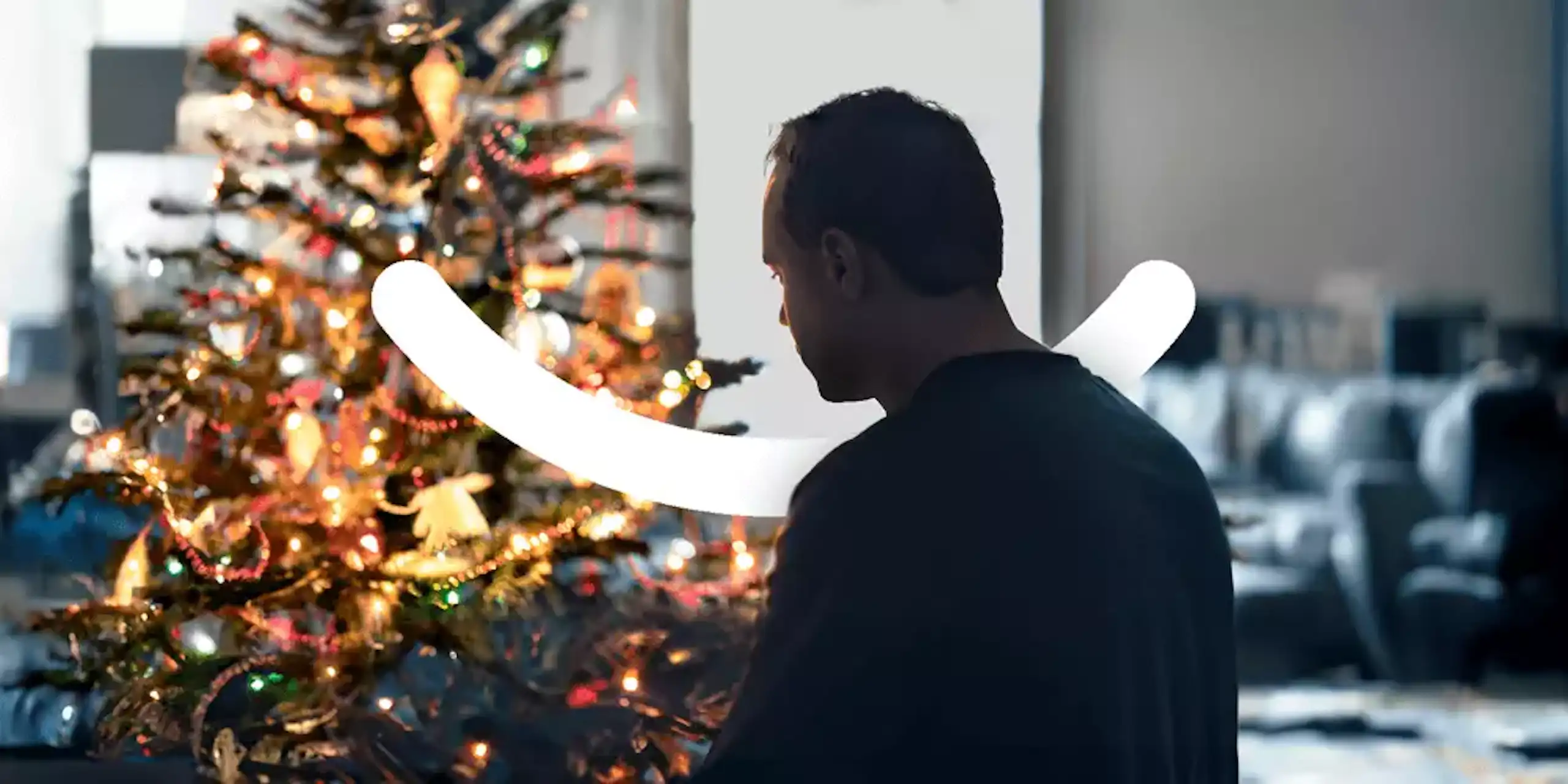
In the final weeks of the New Zealand calendar, a specific kind of momentum takes hold. As the Pohutukawa begins to redden along the coastline and businesses prepare for the traditional summer shutdown, the national conversation revolves around the bach, the barbeque, and the gathering of whanau. For most, December represents a hard-earned finish line.
However, there is a quieter reality that rarely makes it into the annual general meeting or the company newsletter. While offices go dark and leadership teams head away for the break, Employee Assistance Programs (EAP) across Aotearoa continue to receive calls from individuals who find the weight of the holidays impossible to carry alone. These are not minor concerns; they are the voices of people reaching their emotional limit on what is culturally communicated as the happiest day of the year.
For an employer, understanding this is a fundamental component of managing a healthy, resilient workforce. The support an employee receives in their moment of greatest need during the holidays directly influences their loyalty, their mental stability, and their ability to perform when they return in the new year.
The Reality of Isolation in New Zealand
Loneliness is a significant public health issue in Aotearoa. According to the most recent data from Stats NZ, approximately 1 in 5 New Zealanders report feeling lonely at least some of the time. When we look at the holiday period, these figures often become more concentrated.
Research from the New Zealand Mental Health Foundation indicates that nearly 30 percent of Kiwis feel more stressed during the festive season, with a significant portion citing social isolation as a primary driver. These statistics remind us that within every team, there are likely individuals who are struggling to reconcile their personal reality with the public narrative of festive joy.
The Mental Load of the Kiwi Summer Narrative
In New Zealand, the festive season is inextricably linked to the idea of the "Great Kiwi Summer." We are sold a dream of effortless connection and outdoor bliss. For a significant portion of our community, this narrative creates a profound "contrast effect."
The contrast effect is a psychological phenomenon where our internal state of sadness or isolation is amplified by an external environment that is aggressively cheerful. When the entire country seems to be celebrating, those who are grieving, living alone, or estranged from family feel their isolation more acutely. The brain interprets this lack of social "tribe" as a threat to survival, triggering a physiological stress response. This can lead to a rapid emotional spiral that often peaks on Christmas morning when the silence of the suburbs is at its loudest.


Improve organisational resilience by providing quality mental health support to your people
1. Recognising the Unique Pressures on New Zealand Staff
The New Zealand workforce faces a specific set of challenges that can intensify holiday loneliness. To provide meaningful support, leadership must first understand these drivers:
Geographic Isolation and the Global Whanau
Aotearoa is a nation defined by movement. We have a high number of migrants living locally and an equally high number of Kiwis living overseas. For many employees, "going home" is not a simple drive; it is a multi-thousand-dollar international flight that may be financially or logistically impossible.
Being physically separated from one’s primary support network during a season focused on family reunions is a significant emotional burden.
The Cost of Living and Financial Shame
Recent economic data from Stats NZ highlights the ongoing pressure on household budgets, with many families struggling to meet basic costs. The cultural expectation to provide gifts, travel, and host lavish meals can lead to “shame-based withdrawal”.
Employees who cannot afford to participate may decline social invites or avoid workplace festivities to hide their financial distress, leading to a self-imposed isolation that is deeply damaging to their wellbeing.
The Grief Cycle and Seasonal Anniversaries
For those who have lost a loved one, the holidays act as a magnifying glass for grief. The empty chair at the table is felt more strongly than the presence of everyone else.
In a culture that values "stepping up" and "getting on with it," many employees feel they must suppress this grief at work, only for it to overwhelm them once the holiday shutdown begins.
2. Professional Crisis Support: Presence Over Solutions
A common mistake in the workplace is the belief that support means offering advice or "fixing" someone's situation. When a distressed employee reaches out to a professional counsellor on Christmas Day, the primary intervention is not a strategic manoeuvre; it is providing a human presence.
Counsellors utilise "co-regulation" to stabilise a caller. When a person is in a state of panic or despair, their nervous system is in a state of high alert. By maintaining a calm, steady, and warm presence, the counsellor provides an emotional anchor. This human-to-human connection is the foundation of safety. Without it, the most sophisticated coping tools will fail to land.
Managers can adopt a similar mindset by simply acknowledging that the holidays can be difficult. Offering a listening ear without the pressure to "cheer up" can reduce the intensity of an employee’s distress significantly.
3. The Mechanics of Grounding: Calming the Nervous System
When an individual is in the midst of an emotional crisis, their cognitive load is maxed out. They are often trapped in spiraling thoughts. To restore stability, professional intervention shifts the focus from the internal turmoil back to the external, physical world.
The "Five Senses Method" is a staple in crisis support because it requires zero intellectual effort. By guiding a caller to name things they can see, hear, and touch in their immediate environment, the counsellor forces the brain to process neutral, physical data. This acts as a circuit breaker for the emotional storm. The nervous system must be regulated before the mind can be resilient.
4. Rebuilding Agency Through Micro-Actions
Loneliness often results in a form of emotional paralysis. Once a caller has been grounded, the next clinical step is to restore their sense of agency. This is done through "micro-actions."
A professional will never suggest that a distressed person "go find a community event" or "call all their relatives." These goals are too large and carry a high risk of failure. Instead, they identify a single, achievable task that the individual can control right now. This might include:
Open a window for fresh air.
Take a warm shower.
Making a simple cup of tea.
Selecting a specific movie or book to take in for comfort.
These small wins serve as neurological resets. They remind the brain that the individual is still in the driver’s seat of their own experience. In a professional context, we call this the restoration of "mastery." Small wins build the confidence needed to navigate the next hour.
5. The Strategy of Low-Pressure Micro-Connections
When the individual feels steady enough, counsellors may explore the idea of "micro-connections." These are social interactions with an extremely low barrier to entry. For someone feeling rejected by the world, a phone call can feel like a mountain. A text message, however, might feel like a molehill.
Our counsellors may use a "Likelihood Scale" to vet these actions. If a client suggests a task, the counsellor can ask, "On a scale of 0 to 10, how likely are you to actually action that today?" If the answer is below 7, the task is too large.
We break it down further, perhaps just drafting a message in their phone notes without the pressure to send it. This protects the individual from the shame of a failed goal and ensures every step taken is a safe one.
6. Challenging the Myth of Mandatory Joy
A major driver of workplace stress in December is the pressure to appear "festive." Forcing staff into Secret Santa exchanges or high-energy office parties can be deeply alienating for those who are struggling. Some people find rejuvenation during solitary breaks.
As an employer, it is vital to respect the different ways people spend their time off. Genuine support is about empowering an employee to navigate the day in a way that feels safe for them, rather than pressuring them to fit a cultural stereotype of holiday cheer.
7. Why Holiday Support is a Business Imperative
The support an employee receives in December has a direct correlation with their performance in January. Loneliness is a significant predictor of workplace burnout. When an individual feels that their organisation sees them as a human being rather than just a unit of labour force, their psychological commitment to the company increases.
Employees who navigate a crisis with professional support return to work with higher organisational loyalty. They remember who provided the lifeline when they felt most alone. Professional grounding also prevents a one-day crisis from turning into a month-long depressive episode, ensuring better focus and reduced absenteeism when the business reopens
8. Proactive Leadership: What You Can Do Now
Effective workplace support should not be a reactive "firefighting" exercise on Christmas Day. It begins with the cultural signals you send throughout the month of December.
Normalise the Mixed Bag Experience
In your end of year communications, move away from purely festive language. Acknowledging that the holidays can be a complicated time for many of us provides an immediate sense of relief to those who are struggling. It reduces the stigma of not being "okay."
Promote EAP Visibility Early and Often
Many businesses do not realise that a good EAP has a 24/7 service that operates every day of the year. Ensure that contact details are prominent in newsletters, on staff noticeboards, and in holiday shutdown emails. Make sure that this support is available on Christmas Day.
Empower Your Managers
Managers are your frontline of support. Train them to recognise the subtle signs of withdrawal, such as the employee who suddenly stops participating in team chats or seems unusually cynical about the break. A soft, open-ended check-in can be the bridge that leads that employee to professional support before they hit a crisis point.
Boost workplace wellness by providing robust wellbeing support to your staff today
9. The Wisdom Wellbeing Approach in Aotearoa
At Wisdom Wellbeing, we do not believe in "one size fits all" mental health support. Our counsellors are trained in person-centred, solution-focused therapy that respects the unique cultural and personal context of every individual.
We understand the New Zealand workforce, from the high-pressure corporate environments of Auckland to the essential workers in our regional sectors.
On Christmas Day, our team provides more than just a listening ear. We provide a clinically sound, evidence-based path back to stability. We help employees peel back the layers of shame, find their footing through grounding, and take the tiny, courageous steps needed to navigate the day with dignity.
10. Understanding the Impact of the January Return
The "January Blues" are a well-documented phenomenon in New Zealand offices. Often, what is seen as a lack of motivation is actually the residual effect of a difficult holiday period. When employees feel they have survived a period of isolation rather than enjoying a break, they return to work with lower emotional reserves.
By offering comprehensive support throughout December, you are not just helping an individual on a single day; you are ensuring that your whole team returns with the mental clarity required for the year ahead. A healthy January begins with a supported December.
11. Creating Long-Term Connection
While the focus of this article is on the peak crisis moments of the holidays, the goal of any modern New Zealand organisation should be to foster connection year-round. Use the insights gained during the festive season to inform your wellbeing strategy for the rest of the year.
Connection is built through small, consistent actions:
Regular, non-transactional check-ins between managers and staff.
Creating space for diverse cultural observances beyond the standard holiday calendar.
Building a culture where asking for help is seen as a sign of professional maturity, not weakness.
Summary: A Strategic Investment in Human Connection
The hardest 24 hours of the year are not a personal problem for your employees to solve in isolation; they are a wellbeing challenge that your organisation can proactively help meet. By providing access to high-quality, professional support, you are protecting your most valuable assets: your people.
When we bring "humanness" into the workplace, we create a culture where isolation loses its power. This year, ensure that your staff have someone to turn to when the spotlight of the festive season feels too bright.
Contact Wisdom Wellbeing on 800 452 587 to discuss how to set up an Employee Assistance Program for your New Zealand workplace.

Wisdom Wellbeing NZ
Wisdom Wellbeing is one of New Zealand’s leading EAP providers. Specialising in topics such as mental health and wellbeing, they produce insightful articles on how employees can look after their mental health, as well as how employers and business owners can support their people and organisation. They also provide articles directly from their counsellors to offer expertise from a clinical perspective. Besides a focus on corporate wellbeing, Wisdom Wellbeing also caters to the needs of Māori and all Pasifika communities. Your trusted wellbeing partner.
Latest articles

Health & Wellbeing article
The Resilient Tāne: Why Men’s Mental Health is the Strategic Anchor of NZ Business
Read more

Health & Wellbeing article
The Kauri Foundation: Why New Zealand Men in Leadership Need a Mental Fitness Blueprint
Read more

Health & Wellbeing article
Mana and Resilience: Addressing the Crisis of Distress in Male Workers in New Zealand
Read more
Related articles
Health & Wellbeing news
Beyond the Summer Shutdown: Why Workplace Support Must Outlast the Festive Season
Read more

Health & Wellbeing news
Understanding the Quiet Season: Addressing Loneliness Across Aotearoa in December
Read more

Health & Wellbeing news
Addressing Festive Isolation: A Workplace Guide to Connection and Support in Aotearoa
Read more