

Health & Wellbeing
Understanding the Quiet Season: Addressing Loneliness Across Aotearoa in December
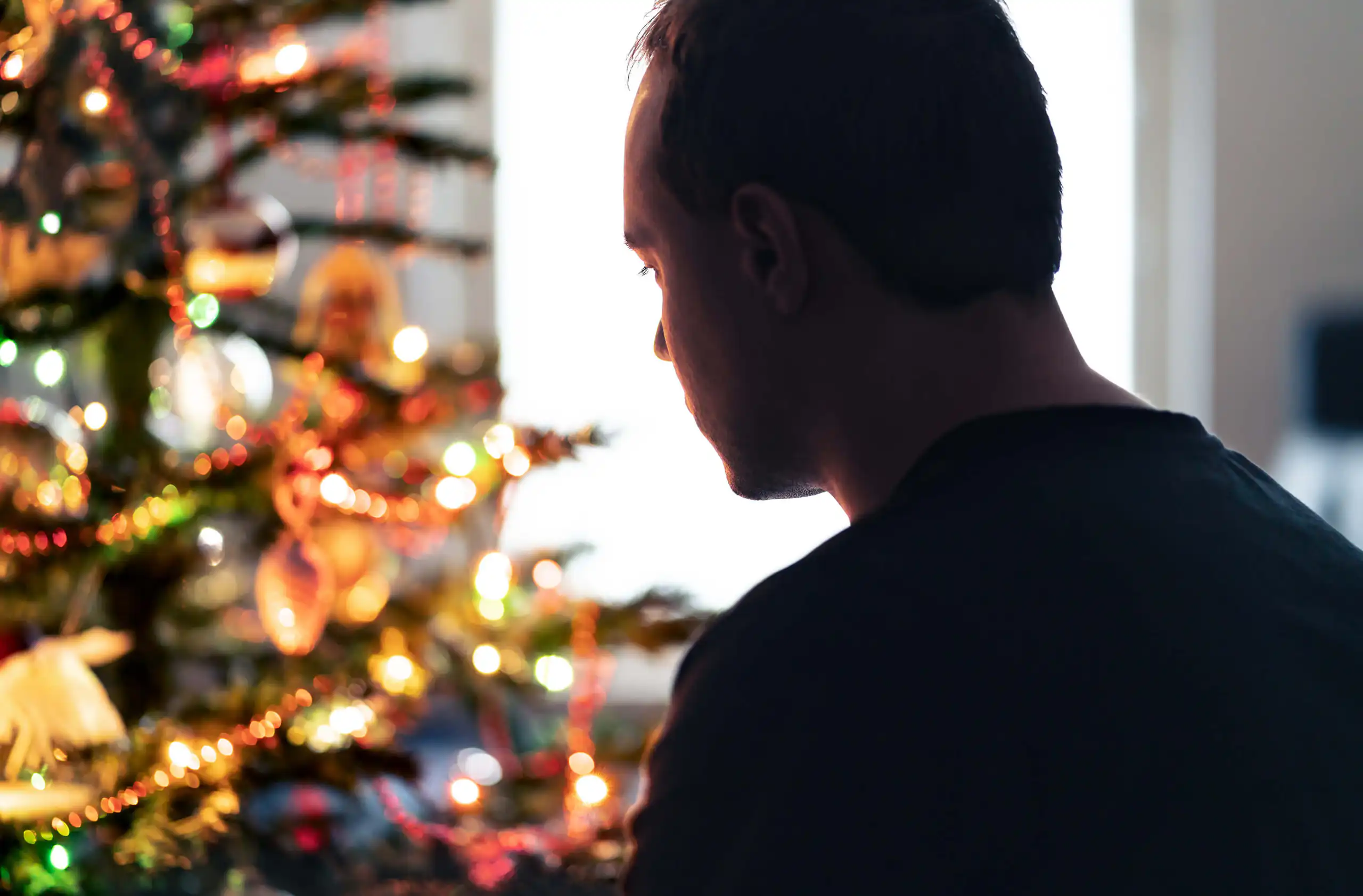
As the final month of the year arrives in New Zealand, a familiar summer energy takes hold. From the blooming pohutukawa trees on the coast to the bustling preparations for the Christmas break, the country enters a period of high-intensity celebration. We are told by the media that December is a time for the bach (holiday home), the barbeque, and the gathering of whanau (extended family). For many, it is a season of genuine joy and a chance to reset after a long year.
However, behind the festive music and social gatherings, many New Zealanders experience a different reality. For a significant portion of our community, December is the most isolated month on the calendar.
When the national narrative insists on togetherness, those who are grieving, living alone, or separated from loved ones often feel a profound sense of exclusion. For Kiwi businesses and leaders, this is a vital time to look past the surface level festivities.
Loneliness is not a personal choice; it is a complex emotional state that has a direct impact on workplace productivity, safety, and morale. By understanding the unique ways loneliness manifests in New Zealand, we can build more supportive and inclusive environments for everyone.
The Reality of Social Isolation in New Zealand
Loneliness is a significant challenge in modern Aotearoa. Data from Stats NZ indicates that approximately 20 percent of New Zealanders report feeling lonely at least some of the time, with younger adults aged 18 to 24 reporting the highest levels of isolation. Furthermore, the 2024 World Wellbeing Report highlighted that New Zealanders living in urban centres, such as Auckland and Wellington, often face higher rates of "unmet social need" during the holiday period than those in more connected rural communities.
These figures illustrate that loneliness is a widespread experience rather than an isolated incident. In a workplace context, this means that in any given team, several people may be silently struggling to reconcile their personal circumstances with the festive expectations of the season.
Defining the "Festive Mismatch"
Holiday loneliness is best described as the gap between an individual's actual social connections and the idealised connections they feel they should have. In New Zealand, this is often intensified by the summer holidays. We are conditioned to believe that this time of year is a period of "homecoming." When someone's reality involves a quiet house, a strained relationship, or a shift in a hospital or mine site, the emotional contrast can be jarring.
This "mismatch" is what makes December so heavy. It is not just about being alone; it is about the feeling that you are the only one who is not part of the celebration.


Improve organisational resilience by providing quality mental health support to your people
1. Why Connection Feels More Difficult in December
Loneliness is a subjective experience. It is entirely possible to be surrounded by people at a Christmas party and still feel a deep sense of disconnection. This occurs when our social interactions lack the emotional depth or safety we need to feel truly seen.
During December, the pressure to be "cheerful" can actually drive people further into isolation. If an individual feels they cannot bring their authentic self to work or social events because they are sad or overwhelmed, they may choose to withdraw entirely. This creates a cycle where the very events meant to foster connection end up highlighting a person’s sense of being an outsider.
2. The Weight of Tradition and the Grief Mirror
The festive season acts as a mirror, reflecting our past experiences and our current relationships. This makes it a particularly difficult time for those navigating loss or life transitions.
The Echo of Absence
For anyone who has lost a loved one, the holidays can be a loud reminder of that absence. Whether it is the first year without a parent or the fifth year without a partner, the traditions we once shared become triggers for grief. In New Zealand, where many families have a specific way of "doing" the holidays, the disruption of those rituals can feel like a secondary loss. Leaders should be aware that "holiday cheer" can be an unintentional burden for those whose chairs at the table are empty.
The Complexity of Family Expectations
There is a common assumption that "whanau time" is inherently positive. However, for many Kiwis, the prospect of family gatherings brings anxiety rather than joy. Strained relationships, old conflicts, and the pressure of obligation can make the holidays feel like an emotional minefield. Choosing to stay away can be a necessary act of self-care, yet it often comes with a heavy dose of guilt and a different kind of loneliness.
3. Digital Landscapes and the Comparison Trap
In New Zealand, our holidays are defined by the "Great Kiwi Summer." Our social media feeds are flooded with images of boat trips, coastal walks, and perfect family reunions. While these images represent joy for some, they act as emotional landmines for others.
When someone who is struggling scrolls through a curated version of other people's happiness, the brain often interprets it as a sign of their own social failure. It is a distorted lens; social media rarely shows the financial stress, family arguments, or the quiet moments of doubt happening behind the scenes. However, the feeling of being "left out" is a very real stressor that can lower resilience and increase feelings of depression.
4. The Biological Reality of Feeling Disconnected
It is helpful to view loneliness through a physiological lens. Humans are wired for social survival. Thousands of years ago, being excluded from the tribe was a literal threat to life. Consequently, our brains have evolved to react to loneliness as a form of danger.
When a person feels socially isolated, their body enters a "fight or flight" state. This physiological response can result in:
Heightened Sensitivity: Individuals may become more sensitive to perceived social slights or criticisms.
Reduced Focus: The brain’s executive function is hampered when it is preoccupied with the "threat" of isolation.
Physical Fatigue: The constant stress of feeling disconnected is exhausting for the nervous system.
Lowered Immunity: Long-term loneliness has been linked to a weakened immune system, which is particularly problematic during the busy end of the year period.
By understanding that loneliness is a biological alarm, we can approach it with more compassion and less judgement.
5. Specific Challenges within the Kiwi Context
There are several factors unique to life in Aotearoa that can intensify the experience of loneliness during the summer holidays.
The "Global Kiwi" and Geographic Isolation
New Zealand has one of the highest proportions of citizens living abroad in the OECD (Organisation for Economic Co-operation and Development). This means many of us have "split families." When international travel is prohibitively expensive or time zones make a video call difficult, the distance can feel vast. For those who have moved to New Zealand from overseas, the first few years can be particularly challenging as they work to build a new sense of community while missing the familiar traditions of home.
Financial Strain and the "Cost of Christmas"
The rising cost of living in New Zealand is a significant, though often hidden, driver of holiday isolation. A 2024 survey showed that more than 45 percent of Kiwis are worried about their ability to afford festive celebrations. When people cannot afford to participate in gift giving or travel to see family, they often withdraw from social circles to save face. This financial shame is a barrier to connection that workplaces can help mitigate by keeping end of year functions low-cost and inclusive.
The Professional "Sprint to the Finish"
Many New Zealand industries, from construction to professional services, face an intense workload in December to "clear the decks" before the January shutdown. This high-stress environment can leave employees feeling burnt out and emotionally empty by the time the actual holidays arrive, making it even harder to engage in meaningful social connections.
6. Transforming Workplace Culture through Support
For HR professionals and business owners, December is a time to lead with empathy. Acknowledge that while many are excited for the break, others may be feeling apprehensive.
Inclusive Social Planning
Not everyone wants a loud, alcohol-focused celebration. By offering a variety of ways to mark the end of the year, such as a team lunch or a community volunteering activity, you provide opportunities for connections that don't rely on the "party" atmosphere. This is particularly important for those who find high-energy social settings overwhelming.
Normalising Authentic Conversations
Leadership should model the behaviour they want to see. When a manager acknowledges that the holidays can be a bit of a "mixed bag" emotionally, it creates a safe space for others to do the same. This doesn't mean the workplace has to become a therapy session; it simply means acknowledging that it is okay to not be "festive" all the time.
Prioritising EAP Visibility
Make sure your staff know how to access support. Don't just bury the EAP details in an onboarding manual. Mention it in team meetings and include it in the final newsletters of the year. Remind your team that professional support is available 24/7, including during the holiday shutdown.
7. Personal Steps toward a Gentler December
If you are feeling the weight of the season, there are practical ways to manage the emotional load without forcing yourself to be happy.
Set Your Own Boundaries: You are allowed to say no to social events that feel draining. Choose connections that feel safe and supportive rather than obligatory.
Control Your Digital Intake: If social media is making you feel excluded, take a break. Your mental health is more important than keeping up with other people's holiday photos.
Identify Micro-Connections: A sense of belonging can come from small things; a chat with a neighbour, a regular greeting at your local cafe, or a brief phone call with a friend. These small "deposits" into your social bank can help steady your mood.
Create New Traditions: If the old ways of celebrating no longer fit or are too painful, try something different. Whether it is a solo day in nature or a quiet movie marathon, give yourself permission to do the holidays your way.
Boost workplace wellness by providing robust wellbeing support to your staff today
8. Recognising When Help is Needed
Loneliness becomes a serious health concern when it leads to a persistent low mood or a complete withdrawal from life. If you find that you are unable to enjoy the things you usually love, or if the thought of the holidays is causing significant distress, please reach out for professional help.
There is no shame in seeking support. In fact, it is one of the most proactive things you can do for your long-term mental health. A professional can help you unpick the feelings of isolation and give you the tools to rebuild your sense of connection.
9. The Role of Wisdom Wellbeing in Aotearoa
At Wisdom Wellbeing, we are dedicated to helping New Zealanders navigate the complexities of mental health and social connection. We understand that the holiday season brings a unique set of challenges, from whanau conflict to the isolation of distance. Our team provides confidential, culturally sensitive support that is tailored to the individual.
For New Zealand organisations, we provide the tools to foster a culture of care. Our EAP services are designed to be accessible and effective, ensuring that your employees have somewhere to turn when they feel overwhelmed. We are here to support your team through the busy December period and into the new year.
10. Conclusion: Choosing Connection over Silence
The summer holidays in Aotearoa are a time of great contrast. While the sun shines and the country slow down, many people are quietly navigating their own internal storms. By acknowledging the reality of holiday loneliness, we take power away from the stigma.
You do not have to carry the weight of December alone. Whether you are a business leader looking out for your staff or an individual feeling the distance between yourself and the world, the first step is to reach out.
If your organisation is a partner of Wisdom Wellbeing, remember that help is only a call away. You don't need to wait for a crisis to speak with someone. A simple conversation can be the beginning of feeling more grounded, more seen, and far less alone. This support remains available through the holiday break and long after the pohutukawa petals have fallen.
Contact Wisdom Wellbeing on 800 452 587 to discuss how to our Employee Assistance Program can help optimise your workplace.

Wisdom Wellbeing NZ
Wisdom Wellbeing is one of New Zealand’s leading EAP providers. Specialising in topics such as mental health and wellbeing, they produce insightful articles on how employees can look after their mental health, as well as how employers and business owners can support their people and organisation. They also provide articles directly from their counsellors to offer expertise from a clinical perspective. Besides a focus on corporate wellbeing, Wisdom Wellbeing also caters to the needs of Māori and all Pasifika communities. Your trusted wellbeing partner.
Latest articles

Health & Wellbeing article
The Resilient Tāne: Why Men’s Mental Health is the Strategic Anchor of NZ Business
Read more

Health & Wellbeing article
The Kauri Foundation: Why New Zealand Men in Leadership Need a Mental Fitness Blueprint
Read more

Health & Wellbeing article
Mana and Resilience: Addressing the Crisis of Distress in Male Workers in New Zealand
Read more
Related articles
Health & Wellbeing news
Beyond the Summer Shutdown: Why Workplace Support Must Outlast the Festive Season
Read more
Health & Wellbeing news
Supporting the Silent Struggle: A New Zealand Employer’s Guide to Festive Wellbeing
Read more

Health & Wellbeing news
Addressing Festive Isolation: A Workplace Guide to Connection and Support in Aotearoa
Read more