


Latest
Navigating Conflict in Relationships
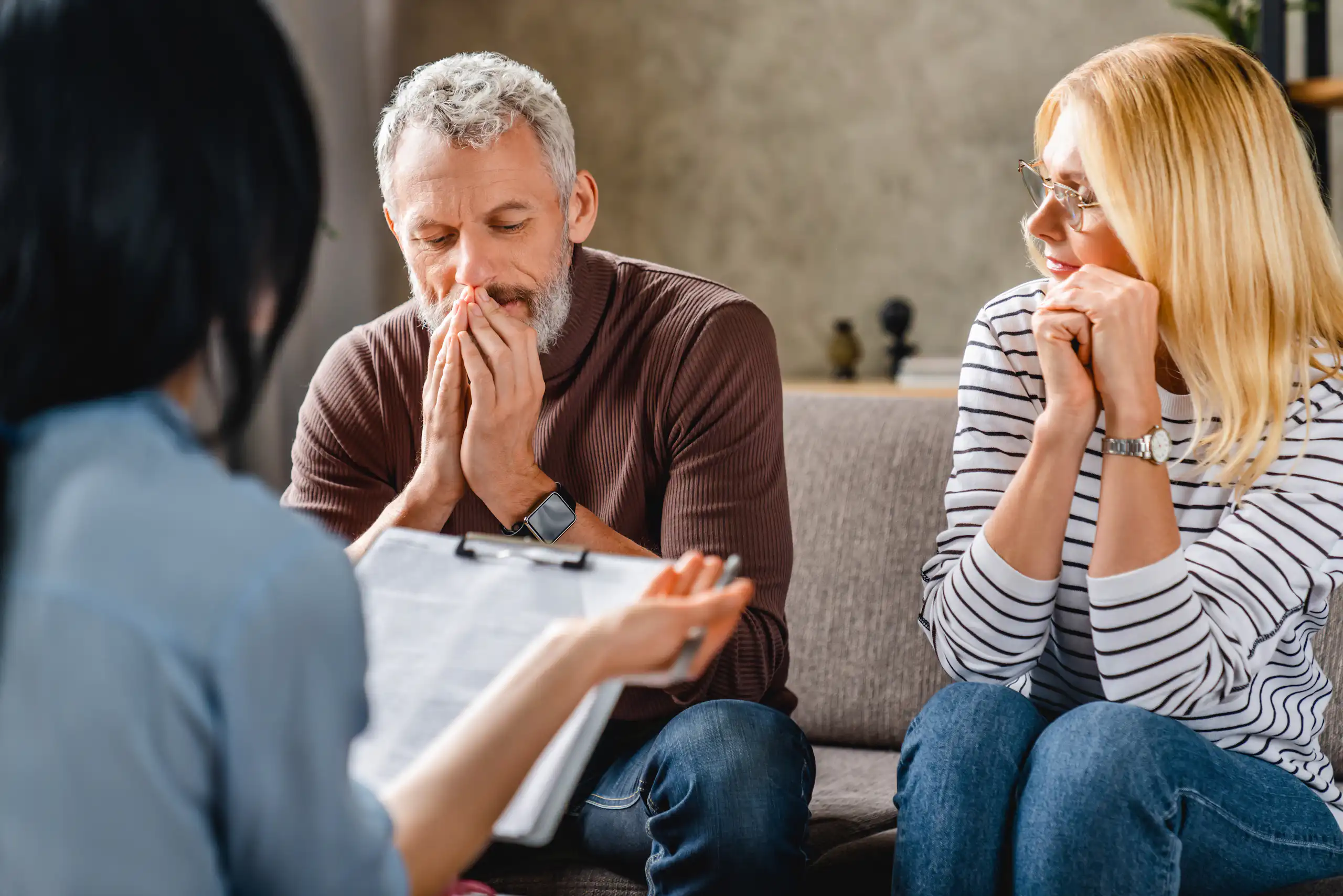
No relationship exists without any bumps in the road. At some point, whether with a partner, a friend or a family member, conflicts may occur. The strength of a relationship is built off how people can deal with and overcome it. It isn’t always easy to resolve disagreements, especially with those you feel closest with, as the disagreement can feel more personal and intense. Despite this, understanding how to calmly and sensibly resolve conflict in a healthy manner will be a major benefit to the parties involved and will in turn strengthen the relationship once it has been overcome.
What is relationship conflict?
Put simply, relationship conflict refers to disagreements between people. These disagreements could be amongst a group of people, but they are typically more intense with romantic partners, family members, close friends or even colleagues.
Much like any conflict, it may stem from two differing viewpoints, but the intensity comes from previously shared experiences, heightened emotional connections and pre-existing relationship dynamics. Whilst the term ‘relationship conflict’ has negative connotations with many associating it with the breakdown of a relationship, it does not always need to be associated with negativity. When conflict is addressed with composure and understanding, it can be a springboard for growth and strengthen a relationship.
What causes conflict in relationships?
Conflict in a relationship can come as the result of a variety of factors or it could come down to a single issue. Whilst there might be an instigating incident which leads to the conflict and the repercussions to follow, the conflict often spawns from a specific issue, dynamic or belief.
Poor communication
As is the case with most conflicts, the root cause can often be broken down to poor communication. Whilst people may disagree on different topics, it doesn’t necessarily mean this will result in conflict. It is possible to maintain a relationship with someone that you disagree with entirely on an issue. It is when that issue is addressed with aggression, confusion and lack of empathy that it can lead to conflict. Being able to effectively communicate, understand and respect another person’s point of view can hugely alleviate the risk of communication breakdown and further conflict.
Misinterpretation
Much like communication, confusion and an unwillingness to listen can be the core foundation of conflict in a relationship. Whether it is simply miintention orrson, misunderstanding their intention, or focusing on one specific aspect of someone’s viewpoint rather than the overall picture, misinterpretation may begin as a simple, innocent mistake and quickly spiral into full blown conflict.
Differing expectations
Sometimes, the value one person gives to a point of debate may be far loftier than the other party does. Viewpoints and opinions differ. One key example of this may be in a romantic relationship, where one person values intimacy and affection above all else, whilst the other values appreciation and being heard. In the end, they both want to feel valued; they just have different ways of demonstrating this and experiencing it for themselves.
Unfulfillment
When a person has a vision or goal for themselves or for a specific relationship and they feel they aren’t receiving or achieving this, they can quickly sour on a relationship, and it can lead to conflict. Often, this may just be a case of patience, and the nature of instant validation that the social media age has brought with it. The relationship may be healthy, it may be heading in the direction of a person’s values and expectations, but due to timings, may not be right in that moment, inspiring conflict.
External factors
Conflict can sometimes be created and influenced by a factor that is entirely separate to the relationship itself. Whether it be job dissatisfaction, family issues or financial concerns, when these issues come to the forefront, they will impact a relationship. These issues can be the key reasoning behind declining mental health, overwhelming negative stress and burnout, and can be decisive in how you interact with others, inspiring unnecessary and indirect aggression and negativity.
Historical issues
In some instances, issues may come from a deeper psychological place. It may come about due to historical trauma or learned behaviours. This may include jealousy, insecurity or trauma from previous relationships, dependency and so on. These issues can be tougher to tackle as the dynamics they create are more testing. In instances such as this, more in-depth relationship counselling and therapy may be required to overcome the issues at hand.
Unhealthy vs. healthy conflict in relationships
Conflicts in a relationship are typically depicted as something negative through various media outlets. However, it is important to recognise that often, conflict is necessary within a relationship, but only if it is expressed in a healthy manner. It provides space for people to air their grievances, let the other person understand your viewpoint, give their perspective and then a mutual resolution can be found. The issue arises when problems are discussed with aggression, defensiveness and cross the line into disrespectful. Here are a few key elements of what may constitute a healthy relationship conflict, and an unhealthy conflict.
Healthy relationship conflict
Allowing space to communicate: Conflict is simply a debate, a difference in viewpoints. The best way to move past a conflict is to understand one another. This means allowing each party to provide their viewpoint through clear and calm communication. As opposed to letting emotion dictate the interaction, where each party is cutting across each other, allow time for each person to speak and express their beliefs.
Empathy and perspective: When conflicts and opposing viewpoints are raised, take a moment to consider the background and perspective that may have shaped the other person’s viewpoint. Showing respect to each other, even when agreeing to disagree, improves communication and helps the relationship grow.
Focus on solutions: The goal is to find a middle ground, compromise or solution that settles the conflict. Trying to 'win' can supercharge conflict and cause the other person to detach or become defensive.
Unhealthy relationship conflict
Blame and accusation: When anger results in blaming the other person for something out of their control, they can quickly become defensive and lash out, heightening the conflict.
Personal attacks: When conflict devolves into personal attacks, resolution becomes near impossible to find. Criticism that becomes personal and unnecessary can cause irreparable harm.
Defensiveness and being overly critical: Using known pain points against someone when defending yourself or criticising them creates a vicious cycle that escalates the dispute.

Strengthen workplace wellbeing through our EAP.
Is conflict resolution important for healthy relationships?
As has been stated, conflict in any relationship is natural and should be expected, no matter the nature of the relationship. When conflict cannot be overcome, it not only results in a weakened and fractured relationship, but it may also result in the end of a relationship. When conflicts are left unaddressed, they begin to fester and morph.
Without effective conflict resolution, relationships are frayed and can experience a complete breakdown. When disagreements are resolved in a healthy manner, each party develops a greater understanding of each other and a stronger sense of trust. Conflict resolution isn’t just important for a healthy relationship; it is imperative.
How to resolve conflicts in relationships
Finding resolution is never easy, especially when people are heavily invested or emotionally drained. However, conflict resolution is always possible with the right approach.
Open and honest communication
Without open communication, it is impossible for people to truly understand each other. Encouraging honesty and expressing your feelings in a calm manner allows others to better understand your perspective and find a resolution.
Seek solutions and forgiveness
When conflict arises, focus on the end goal of finding a solution rather than getting lost in the emotion. When dialogue is open, people can work together to resolve ongoing issues and strengthen the relationship.
Understand the opposing perspective
Opening your mind to view the perspective of those you are in conflict with enables you to see why tensions have run high and discover a true sense of empathy with one another.
How an Employee Assistance Program can support relationship conflicts
Navigating persistent relationship conflict can feel overwhelming, and finding a solution without external support isn't always easy. Accessing support through an Employee Assistance Program (EAP) provides a confidential environment to speak with qualified counsellors and therapists.
Through Wisdom Wellbeing's EAP, individuals and couples can access professional counselling services to help work through relationship challenges, improve communication strategies, and find constructive ways to resolve conflict.
Conclusion
Everyone in a relationship, no matter the circumstance, will encounter conflict at one time or another. This is completely normal. The strength of a relationship is dictated by the ability to overcome conflict and find a suitable resolution. Developing healthy conflict resolution skills allows relationships to weather difficult periods and grow stronger over time.
FAQs
What is relationship conflict?
Relationship conflict refers to disagreements between people, often intensified by emotional connection, shared history or differing expectations. When addressed calmly, conflict can support growth rather than harm.
What causes conflict in relationships?
Conflict may stem from poor communication, misinterpretation, unmet expectations, external stressors, or historical issues such as past trauma or insecurity. These factors can escalate tension if not addressed constructively.
What is the difference between healthy and unhealthy conflict?
Healthy conflict involves calm communication, empathy and solution‑focused dialogue. Unhealthy conflict includes blame, personal attacks, defensiveness and escalating emotional reactions that make resolution difficult.
Why is conflict resolution important in relationships?
Effective conflict resolution prevents issues from festering, strengthens trust, and helps people understand each other’s perspectives. Without it, relationships can become strained or break down entirely.
How can an Employee Assistance Program help with relationship conflict?
Wisdom Wellbeing’s EAP provides confidential counselling to help individuals and couples improve communication, manage conflict, and develop healthier relationship strategies.
Related Entities
Relationship conflict
Disagreements between partners, friends, family members or colleagues, often shaped by emotional connection, communication styles and shared history.
Conflict resolution
The process of addressing disagreements constructively through communication, empathy and solution‑focused strategies.
Healthy communication
Calm, honest and respectful dialogue that helps people understand each other’s perspectives and reduce tension.
Misinterpretation
Confusion or misunderstanding that can escalate conflict when intentions or viewpoints are not clearly expressed or heard.
Differing expectations
Variations in needs, values or priorities that can create friction if not openly discussed.
Emotional wellbeing
The emotional state that influences how people respond to stress, communicate and manage conflict.
External stressors
Work pressure, financial concerns or family issues that indirectly impact relationship dynamics.
Historical trauma
Past experiences or learned behaviours that shape current reactions, insecurities or conflict patterns.
Employee Assistance Program
A confidential support service offering counselling, guidance and wellbeing resources for employees and their families.
Relationship counselling
Professional therapeutic support to help individuals or couples improve communication, resolve conflict and strengthen connection.

Wisdom Wellbeing
Wisdom Wellbeing is one of Australia’s leading EAP providers. Specialising in topics such as mental health and wellbeing, they produce insightful articles on how employees can look after their mental health, as well as how employers and business owners can support their people and organisation. They also provide articles directly from their counsellors to offer expertise from a clinical perspective. Besides a focus on corporate wellbeing, Wisdom Wellbeing also caters to the needs of Aboriginal and Torres Strait Islanders. Your trusted wellbeing partner.
EAP support for your employees
With a Wisdom Wellbeing Employee Assistance Program (EAP), we can offer you practical advice and support when it comes to dealing with workplace stress and anxiety issues.
Our EAP service provides guidance and supports your employees with their mental health in the workplace and at home. We can help you create a safe, productive workspace that supports all.