Industry
Abusive Customers in Hospitality: How to Protect Your Staff
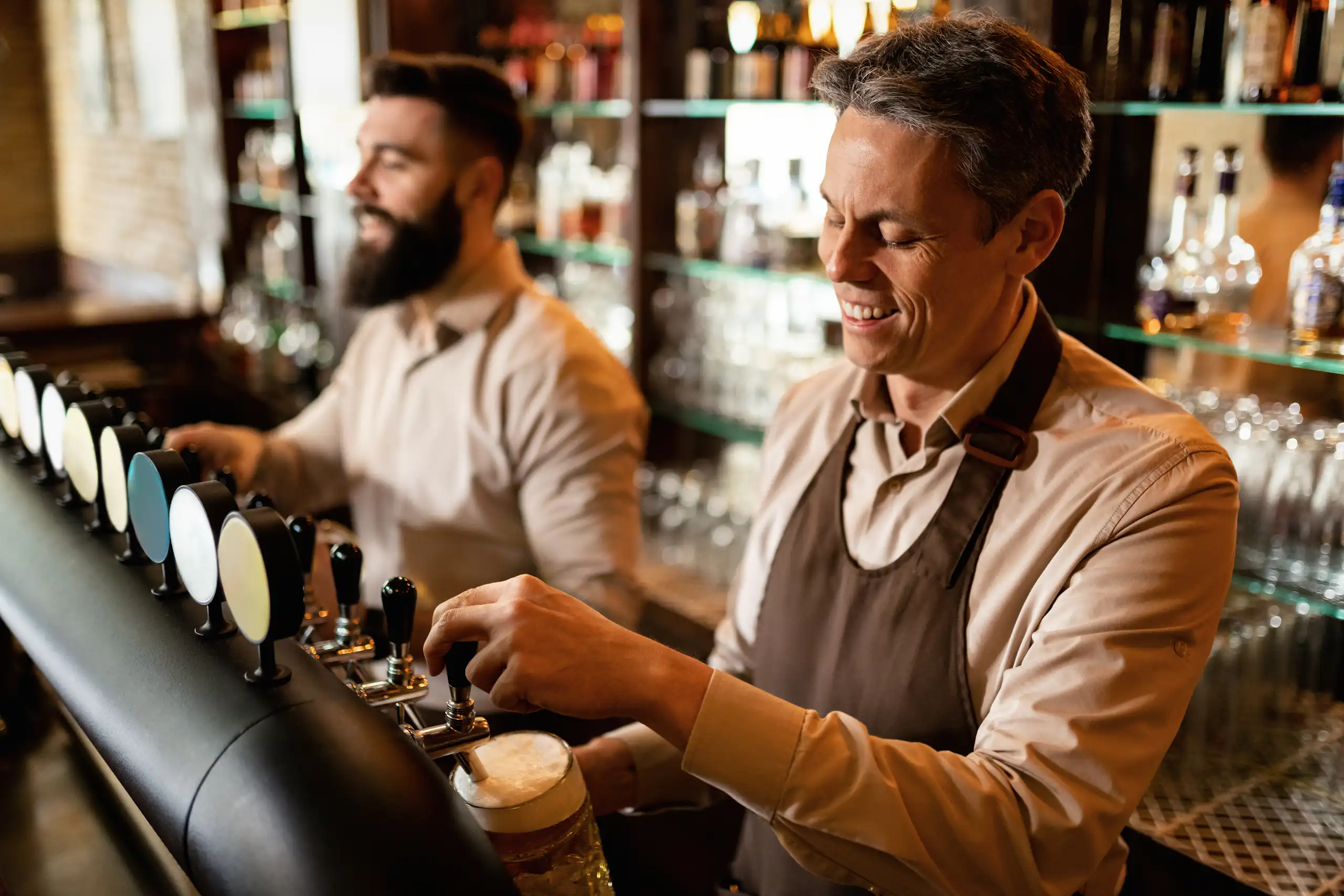
Most customers come to enjoy themselves. But for many hospitality workers, being shouted at, insulted, harassed or threatened by customers is far too common. Alcohol, late nights and busy service can quickly turn a difficult customer into a dangerous one.
With the Christmas rush approaching and new harassment rules now in force, it’s a good time to review how you protect your teams. This guide is for pub, bar, restaurant, hotel and venue operators, general managers and HR teams. It covers the scale of the problem, your legal duties and the practical steps you can take before, during and after an incident.
Abuse against hospitality staff in numbers
Research published in June 2026 surveyed 1,000 UK frontline workers, with a focus on hospitality. Among hospitality workers:
56% had experienced abuse from customers in the past 12 months, and 45% in the past four weeks
44% had experienced verbal abuse
21% had experienced harassment, including sexual comments, unwanted touching or unwanted attention
19% had received discriminatory comments
12% had experienced physical aggression
85% said customer abuse had increased their stress or anxiety
82% felt anxious before a shift because of how the public might behave
32% said safety concerns had affected their sleep
The University of Strathclyde’s Scottish Hospitality Employee Survey 2025/26 found a similar picture. Customers were the main source of the abuse and harassment that staff experienced, and nearly half of respondents had experienced sexual harassment or abuse at least some of the time.
The law: new rules from 30 October 2026
Third-party harassment
From 30 October 2026, the Employment Rights Act 2025 makes employers liable when a worker is harassed by a third party, such as a customer, guest or member of the public, while at work. This covers harassment related to any protected characteristic under the Equality Act 2010, including sex, race, disability, religion, sexual orientation and age.
Employers can defend a claim by showing they took all reasonable steps to prevent the harassment.
Preventing sexual harassment
Since October 2024, employers have had a duty to take reasonable steps to prevent sexual harassment of their workers. From 30 October 2026, this is strengthened to “all reasonable steps”, and it explicitly includes harassment by third parties such as customers.
What this means for hospitality
Hospitality staff deal with the public constantly, often late at night and where alcohol is involved. Employers should expect to show:
A risk assessment that covers harassment by customers
Clear policies and ways for staff to report incidents
Training for managers and staff
Records of what action was taken when concerns were raised
A general policy or a one-off training session is unlikely to be enough. The details of what counts as “all reasonable steps” may be set out in future regulations, so keep an eye on guidance from the Equality and Human Rights Commission (EHRC) and Acas.
How customer abuse affects staff
Abuse doesn’t stop when the shift ends. After an incident, staff may experience:
Anxiety before shifts, especially weekend or late shifts
Trouble sleeping or switching off
Loss of confidence in dealing with customers
Feeling unsafe at work or on the way home
Anger, embarrassment or feeling let down if nothing was done
Wanting to leave the job or the industry
Younger, newer and part-time staff may be less likely to report what’s happened, especially if they think it’s “part of the job”. Our guide to mental health in hospitality covers the wider pressures hospitality workers face.
Practical steps to prevent abuse
Assess the risks
Identify when and where incidents are most likely, such as late shifts, door duties, closing time and busy events
Include harassment by customers in your risk assessment, covering all protected characteristics
Involve staff, as they know the flashpoints
Review the assessment after incidents and before peak periods
Set clear standards for customers
Display clear messages that abuse and harassment of staff won’t be tolerated Back staff when they refuse service or ask a customer to leave Ban repeat offenders and share information with local pubwatch schemes where appropriate
Train your teams
Train staff in conflict resolution and de-escalation Make sure everyone knows how to refuse service safely, including to drunk customers Train managers to respond to harassment and support staff afterwards
Make venues safer
Avoid leaving staff to work alone, especially at closing Use CCTV, radios or body-worn cameras where appropriate Make sure door staff and managers can step in quickly Help staff get home safely after late shifts
Plan for the Christmas rush
Increase staffing for busy nights and parties Brief teams before Christmas parties and big events Make sure a manager on every shift knows how to handle incidents
Our guide to supporting hospitality staff over the Christmas rush has more tips for the festive period.
Supporting staff after an incident
Straight away
Make sure the employee is safe and check for injuries Give them a break away from customers Don’t send them straight back to the same section or table
In the following days
Check in personally, and keep checking in Ask what would help, such as a change of shift or section Keep them updated on any action taken
Make reporting easy
Make reporting quick and simple, and record every incident, including comments and gestures Report criminal behaviour to the police and support staff through the process Show staff that reports lead to action, so they keep reporting
Offer professional support
Some people recover quickly, while others need more help, especially after a frightening or violent incident. Make sure staff know they can access confidential support, and don’t wait for them to ask.
How an EAP helps hospitality employers
An Employee Assistance Programme (EAP) gives your teams confidential support whenever they need it, including late at night after a shift. With Wisdom Wellbeing, your staff can access:
A 24/7 confidential helpline, available whatever shift they work
Short-term structured counselling with qualified counsellors
Critical incident support after violent or traumatic incidents
Manager support and guidance on handling incidents and difficult conversations
The Wisdom app, with self-help tools and wellbeing content
Legal and financial information
Retail teams face similar pressures. Read our guide to abuse against retail staff, or find out more about our EAP and wellbeing support for hospitality.
FAQs
How common is customer abuse in hospitality?
Very common. Research published in 2026 found that 56% of hospitality workers had experienced abuse from customers in the past 12 months, including verbal abuse, harassment and physical aggression.
Are employers responsible if a customer harasses a member of staff?
From 30 October 2026, employers can be liable when a worker is harassed by a third party, such as a customer, at work. Employers can defend a claim by showing they took all reasonable steps to prevent it.
What should hospitality employers do to prevent sexual harassment by customers?
Carry out a risk assessment that covers customers, have clear policies and reporting routes, train staff and managers, and keep records of the action you take. From 30 October 2026, employers must take all reasonable steps to prevent sexual harassment, including by third parties.
What should a manager do after a member of staff is abused by a customer?
Make sure they’re safe, give them a break away from customers and check in over the following days. Record the incident, report criminal behaviour to the police and make sure they know how to access confidential support.
How does an EAP help hospitality staff?
An EAP gives staff confidential, 24/7 access to counselling and critical incident support, so they can talk through what happened and get help to recover. It also gives managers guidance on supporting their teams.
Sources
CLH News, Frontline workers report rising stress and sleep disruption linked to customer aggression
University of Strathclyde, Scottish Hospitality Employee Survey 2025/26 Results: Highlights
Ward Hadaway, Harassment law reform: What employers need to know before 30 October 2026

Wisdom Wellbeing
Wisdom Wellbeing provides clinically led Employee Assistance Programmes to organisations across the UK and Ireland. Specialising in mental health and wellbeing, we publish practical guidance for employees, employers and business owners, including articles written by our counsellors to offer expertise from a clinical perspective. We also write for students at college and university who want to improve and maintain their mental wellbeing.
Support your employees with an EAP
With an Employee Assistance Programme (EAP) from Wisdom Wellbeing, we can offer you practical advice and support when it comes to dealing with workplace stress and anxiety issues.
Our EAP service provides guidance and supports your employees with their mental health in the workplace and at home. We can help you create a safe, productive workspace that supports all.