
Industry
Mental Health in the Veterinary Profession: A Guide for Practices
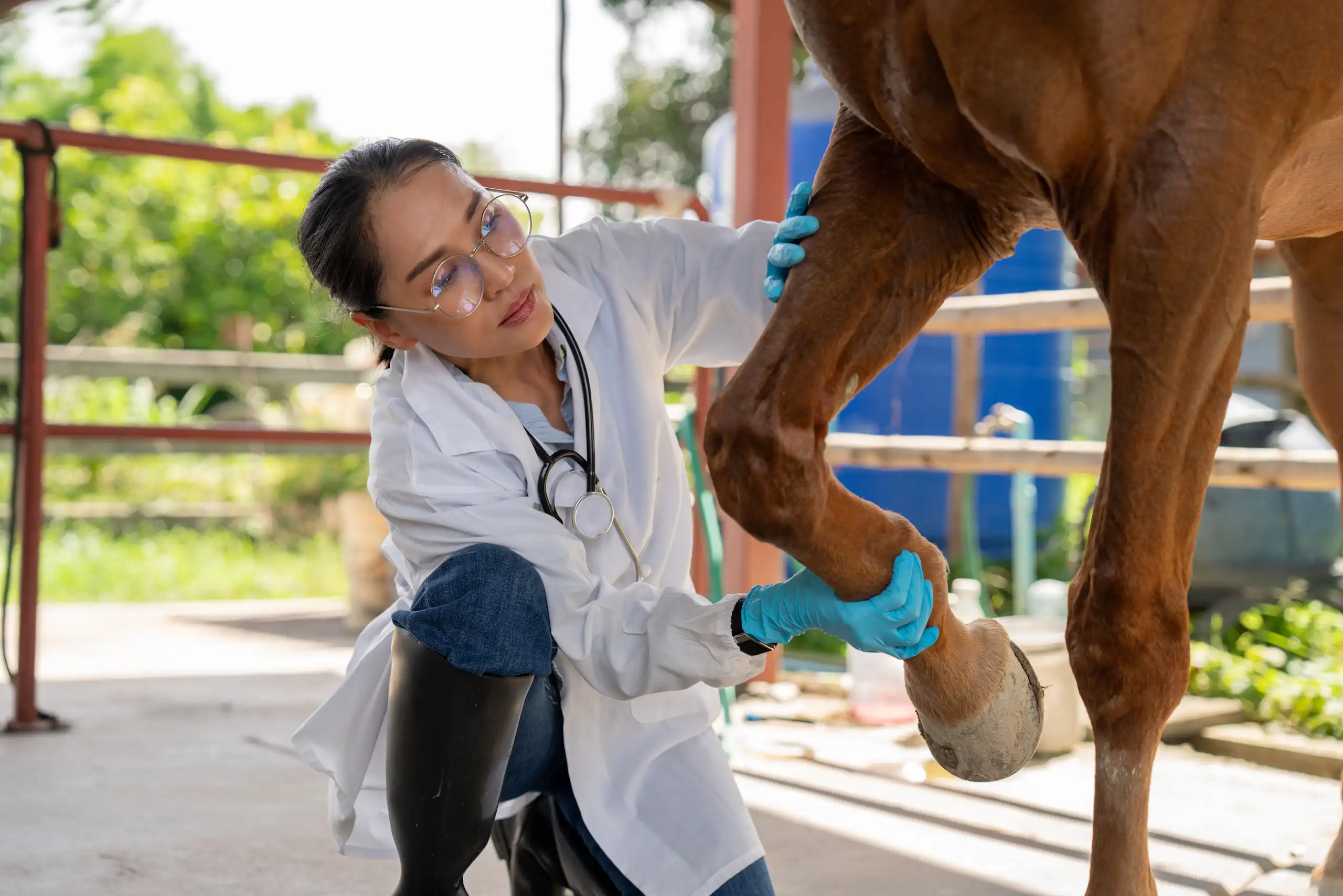
Veterinary teams do skilled, emotional work every day. They treat animals, support worried owners and make difficult end-of-life decisions, often under time pressure and with long hours. Most vets and vet nurses love what they do, but the strain is real, and it shows in how many people are thinking about leaving.
This guide is for practice owners, clinical directors, practice managers and HR teams. It covers what the latest research says, the pressures that affect your team, the warning signs to look for and the practical steps you can take to protect wellbeing and keep good people.
Veterinary mental health in numbers
The Royal College of Veterinary Surgeons (RCVS) 2024 Surveys of the Professions collected responses from almost 7,000 vets and over 3,700 veterinary nurses. Key findings include:
49% of vets said stress levels were the main issue they faced at work, up from 47% in 2019
47% of veterinary nurses listed stress in their top three concerns
34% of vets and 39% of vet nurses had experienced harassment or bullying from clients
13% of vets and 21% of vet nurses had experienced harassment or bullying from colleagues
75% of vets plan to stay in the profession for at least five more years, down from 79% in 2019
Among vets thinking of leaving, the top reasons were poor work-life balance (56%), chronic stress (54%) and not feeling valued in non-financial ways (47%)
29% of vet nurses and 17% of vets reported a long-term health condition
These figures show that stress isn’t a passing problem. It affects retention and the long-term health of the profession.
The pressures veterinary teams face
Compassion fatigue
Vets and vet nurses give a lot of emotional energy to patients and their owners. Over time, this constant caring can wear people down. Compassion fatigue can show up as emotional numbness, irritability or a sense of detachment from work they once loved.
Euthanasia and end-of-life care
Euthanasia is a regular part of veterinary work, and it’s rarely easy. Teams support grieving owners, sometimes several times a day. They may also face moral distress when they’re asked to euthanise an animal they believe could be treated, or when cost means they can’t treat one.
Difficult and aggressive clients
Owners are often anxious, upset or worried about money. With over a third of vets and vet nurses reporting harassment from clients, front-of-house and clinical staff need clear support and protection.
Workload, staffing and on-call
Staff shortages mean longer days, heavy caseloads and frequent out-of-hours work. On-call rotas disrupt sleep and family life, and there’s little time to recover between busy shifts.
Pressure on new graduates
Recent graduates move quickly from study to making high-stakes clinical decisions. Without good mentoring, the gap between training and real practice can feel overwhelming.
Money worries and cost conversations
Many team members carry student debt, and the cost of living affects everyone. Staff also have to discuss treatment costs with owners who may not be able to pay, which adds another layer of stress.
Warning signs to look out for
Managers and colleagues are often the first to notice when someone is struggling. Signs can include:
Withdrawing from the team or seeming flat and detached
More irritability, tearfulness or short temper with clients or colleagues
Changes in the quality of their work, or more small mistakes
Working excessively long hours or never taking breaks
More sickness absence, or turning up late
Talking about feeling trapped, hopeless or wanting to leave the profession
Drinking more, or signs of poor sleep and exhaustion
If you notice these signs, a quiet, private conversation is a good first step. You don’t need to have all the answers. Listening and pointing someone towards support can make a big difference.
Practical steps to support your veterinary team
Build wellbeing into how the practice runs
Plan rotas fairly, with protected breaks and proper rest after on-call shifts
Review caseloads regularly and adjust when the team is short-staffed
Make wellbeing a standing item in team meetings
Support staff after difficult cases
Hold short debriefs after euthanasia, emergencies or distressing cases
Give people a few minutes to reset before their next appointment where possible
Recognise that some cases stay with people, and check in a day or two later
Protect staff from client abuse
Set out a clear policy on acceptable client behaviour and display it in reception
Make sure staff know they will be backed up if they challenge or end abusive conversations
Record incidents and review patterns so you can act on repeat problems
Mentor and support new starters
Pair new graduates with an experienced mentor
Build in regular, scheduled check-ins during the first year
Make it normal to ask for help on difficult cases
Make people feel valued
Thank staff for good work, not just clinical outcomes
Involve vet nurses and support staff in decisions that affect them
Offer development opportunities and clear routes for progression
Train managers to have wellbeing conversations
Clinical directors and practice managers aren’t always trained in people management. Mental health awareness training helps them spot problems early and respond with confidence.
How an EAP helps veterinary practices
An Employee Assistance Programme (EAP) gives your whole team confidential support whenever they need it, including evenings and weekends when vets are often on call. With Wisdom Wellbeing, your staff can access:
A 24/7 confidential helpline for emotional, practical and financial support
Short-term structured counselling with qualified counsellors
Support with grief, loss and difficult cases
Financial and debt advice
The Wisdom app, with self-help tools, wellbeing content and the Wisdom Academy e-learning courses
Manager support and guidance on handling difficult conversations
Critical incident support after traumatic events
For independent practices and groups alike, an EAP gives every team member somewhere to turn, whatever their role or rota.
Find out more about our veterinary EAP and wellbeing support. If your organisation also employs clinical healthcare staff, our guide to healthcare staff wellbeing may also help.
FAQs
Why is stress so high in the veterinary profession?
Veterinary teams deal with heavy workloads, staff shortages, on-call shifts, regular euthanasia and difficult conversations with owners. The RCVS 2024 survey found that 49% of vets named stress levels as the main issue they face at work.
What is compassion fatigue in vets?
Compassion fatigue is emotional and physical exhaustion caused by caring for patients and supporting owners over a long period. It can lead to feeling numb, detached or irritable, and it can affect both wellbeing and the quality of care.
How can a vet practice support staff after euthanasia?
Short debriefs, a few minutes to reset between appointments and a follow-up check-in can all help. An EAP also gives staff confidential access to counselling if a case stays with them.
How can practices protect staff from abusive clients?
Have a clear client behaviour policy, display it in reception and make sure staff know they will be supported if they end an abusive conversation. Record incidents so you can spot and deal with repeat problems.
What does an EAP offer veterinary practices?
An EAP offers a 24/7 confidential helpline, short-term counselling, financial and legal advice, manager support and self-help tools through an app. It gives every team member, including those on nights or on call, access to support whenever they need it.
Sources

Wisdom Wellbeing
Wisdom Wellbeing provides clinically led Employee Assistance Programmes to organisations across the UK and Ireland. Specialising in mental health and wellbeing, we publish practical guidance for employees, employers and business owners, including articles written by our counsellors to offer expertise from a clinical perspective. We also write for students at college and university who want to improve and maintain their mental wellbeing.
Support your employees with an EAP
With an Employee Assistance Programme (EAP) from Wisdom Wellbeing, we can offer you practical advice and support when it comes to dealing with workplace stress and anxiety issues.
Our EAP service provides guidance and supports your employees with their mental health in the workplace and at home. We can help you create a safe, productive workspace that supports all.


