Industry
Staff wellbeing in social care: a guide for care providers
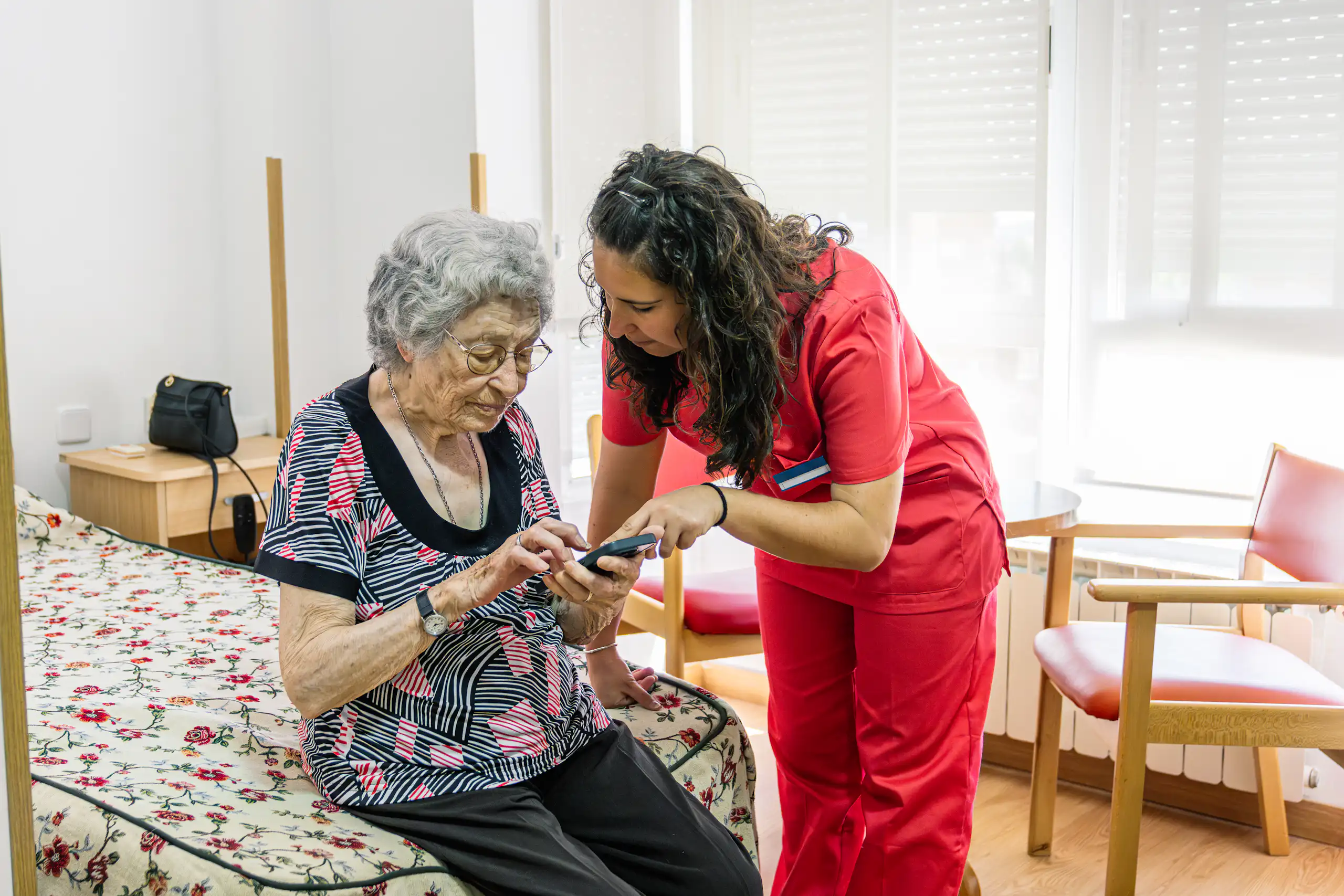
Adult social care employs around 1.6 million people across care homes, home care, supported living and day services. Care workers do some of the most important jobs in the country, and some of the most demanding. They support people through illness, disability and the end of life, often on low pay, long shifts and with too few colleagues around them.
Looking after care staff isn’t just the right thing to do. It’s essential for safe, high-quality care. When care workers are exhausted or struggling, it affects the people they support, and it drives the high turnover the sector knows only too well.
This guide covers the main pressures on care workers, the warning signs to look out for, and practical steps care providers can take to support their teams.
The state of care staff wellbeing
The latest figures show a workforce under real pressure:
24.7% staff turnover in independent adult social care in 2024/25, meaning around one in four care workers left their job.
7% of posts in adult social care were vacant.
42% of care workers say they feel unhappy or depressed.
37% of care workers are actively considering leaving their role.
72% of care workers don’t feel financially secure.
People working in health and social care report work-related stress, depression or anxiety at well above the average rate across all industries.
What affects the wellbeing of care workers?
Emotional demands
Care work means supporting people who may be frightened, in pain, confused or distressed, and often their families too. Caring deeply while staying professional takes a lot of emotional energy, shift after shift.
Death and bereavement
Many care workers build close relationships with the people they support. When someone dies, staff can feel real grief, often without time or space to process it before the next shift begins.
Staff shortages and heavy workloads
With high turnover and vacancies, the same people often cover extra shifts, work short-staffed and rush between tasks. This leaves little time for breaks or the person-centred care staff want to give.
Lone working
Home care workers spend much of their day alone, travelling between visits and dealing with whatever they find when they arrive. Without colleagues nearby, it can be harder to share worries or get support after a difficult visit.
Low pay and money worries
Many care roles are paid at or near the minimum wage, and some home care workers aren’t paid for travel time between visits. With most care workers not feeling financially secure, money worries are a constant source of stress.
Challenging situations
Staff may face distressed or aggressive behaviour, sometimes linked to dementia or other conditions. Even when nobody is to blame, these situations can be frightening and leave people shaken.
Long shifts and nights
Twelve-hour shifts, night work and rotas that change at short notice disrupt sleep and family life, and make it harder to rest and recover.
Warning signs to look out for
Managers aren’t expected to diagnose mental health problems, but they’re often first to notice when something has changed. Look out for:
more sickness absence, lateness or swapped shifts
seeming withdrawn, tearful, irritable or unusually quiet
more mistakes in care records or medication rounds
signs of exhaustion or struggling to concentrate
seeming detached or less patient with the people they support
talking about money worries, problems at home or not sleeping
seeming especially affected after a death or difficult incident
If you notice these signs, a private, supportive conversation is the best first step.
How care providers can support staff wellbeing
1. Train managers and seniors to have supportive conversations
Registered managers, deputies and senior carers set the tone. Give them the confidence to check in, listen without judging and point people to support.
2. Make supervision about wellbeing too
Use regular supervision to ask how people are really doing, not just to review tasks and training. It’s often the best chance for a care worker to raise a concern privately.
3. Support staff after a death or difficult event
Give people time to talk, acknowledge their loss, consider a team debrief, and let them attend funerals or memorials where possible. Make sure they know confidential support is available.
4. Protect breaks and build fair rotas
Make sure staff get proper breaks, publish rotas as early as possible and avoid back-to-back long shifts or nights followed by early starts.
5. Support lone workers
Use regular check-in calls, clear lone working procedures and a named person staff can contact during their shift. Make sure home care workers feel part of a team, even when they work alone.
6. Help with money worries
Signpost free financial and debt advice, review mileage and travel time arrangements, and consider practical help such as access to earned pay.
7. Recognise and value your team
Thank people, share positive feedback from residents and families, and celebrate good care. Feeling valued is one of the most powerful reasons people stay.
8. Make support easy to find
Share EAP details in staff rooms, care planning systems, staff apps and induction packs, including for bank and agency staff.
Staff wellbeing and CQC
In England, CQC’s assessment framework includes a quality statement on workforce wellbeing and enablement. Inspectors look at how providers care about and support their staff’s wellbeing.
Clear wellbeing policies, regular supervision, support after difficult events and access to confidential help such as an EAP can all form part of the evidence you share.
How an EAP supports care teams
An Employee Assistance Programme (EAP)gives care workers confidential support whenever they need it, including after a night shift or a difficult visit. With Wisdom Wellbeing, your team gets:
24/7 counselling by phone and online, for staff on any shift pattern bereavement and trauma support after a death or distressing incident legal and financial information to help with money worries and debt a management support line, giving managers guidance on supporting their teams the Wisdom app, with wellbeing tools staff can use in their own time
Many of the same pressures affect NHS and private healthcare teams. Read our guide to healthcare staff wellbeing.
Frequently asked questions
What are the biggest pressures on care workers?
The biggest pressures include the emotional demands of caring, death and bereavement, staff shortages and heavy workloads, lone working, low pay and money worries, challenging situations and long or unsociable shifts.
Why is staff turnover so high in social care?
Turnover is driven by low pay, heavy workloads, staff shortages, emotionally demanding work and difficult working patterns. Around one in four care workers in independent adult social care left their job in 2024/25, so supporting wellbeing is key to keeping good staff.
How can care homes support staff after a resident dies?
Give staff time to talk and grieve, acknowledge the loss, consider a team debrief, let them attend funerals where possible, and make sure they know how to access confidential bereavement support, such as counselling through your EAP.
How can home care providers support lone workers?
Use regular check-in calls, clear lone working procedures and a named contact for each shift. Hold team meetings so staff feel connected, and make sure they can access confidential support at any time.
Does CQC look at staff wellbeing?
Yes. In England, CQC’s assessment framework includes a quality statement on workforce wellbeing and enablement. Providers can show how they support staff through policies, supervision, support after difficult events and access to confidential help such as an EAP.
Support your care team with Wisdom Wellbeing
Your staff care for others every day. Give them confidential support they can reach any time, day or night.
Sources
The Care Workers’ Charity, Care Worker Wellbeing Survey Report 2025
Health and Safety Executive, Work-related stress, depression or anxiety statistics in Great Britain

Wisdom Wellbeing
Wisdom Wellbeing provides clinically led Employee Assistance Programmes to organisations across the UK and Ireland. Specialising in mental health and wellbeing, we publish practical guidance for employees, employers and business owners, including articles written by our counsellors to offer expertise from a clinical perspective. We also write for students at college and university who want to improve and maintain their mental wellbeing.
Support your employees with an EAP
With an Employee Assistance Programme (EAP) from Wisdom Wellbeing, we can offer you practical advice and support when it comes to dealing with workplace stress and anxiety issues.
Our EAP service provides guidance and supports your employees with their mental health in the workplace and at home. We can help you create a safe, productive workspace that supports all.